NFTs: real-world use cases beyond digital art
NFTs for access, names and digital items: verifiable uses, rights that need definition and limits to authenticity and interoperability.
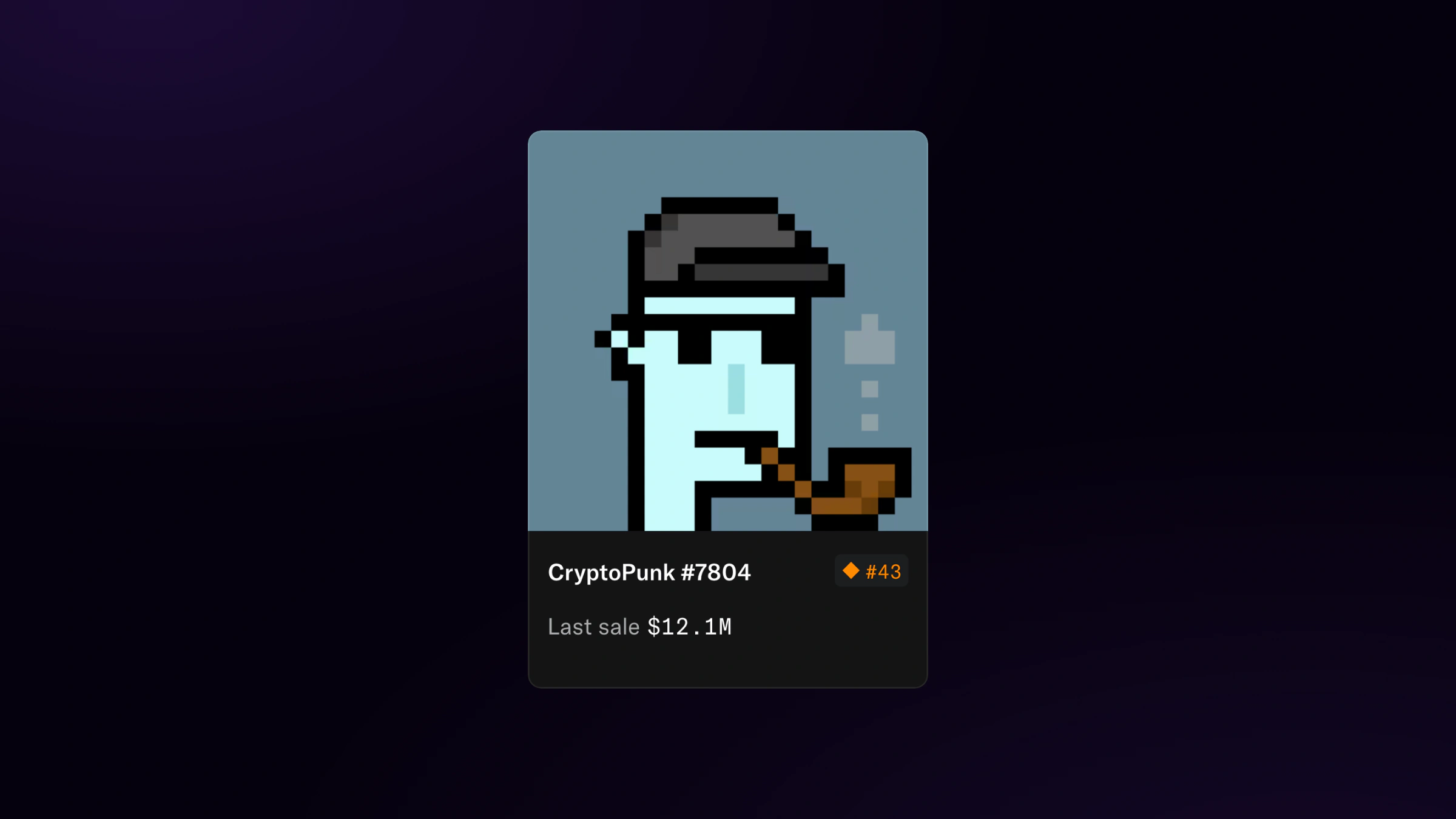
NFTs can represent identifiable items within a blockchain application. An identifier may be linked to a digital object, a license or an access right, depending on the product and its agreements. Its usefulness depends on the relationship between the token and what its holder can do with it.
The use cases become clearer when examining that relationship: how access is verified, what happens when the holder changes and what information the application needs to retain. The token record alone does not establish an object’s authenticity or transfer every right associated with it.
What the standard provides
ERC-721 defines an interface for individually distinguishable tokens, including ownership and transfer operations. ERC-1155 manages different token types and quantities within one contract. The choice depends on product units, permissions and integrations.
Metadata can point to content stored off-chain. If an image, document or server becomes unavailable, the token does not automatically reconstruct it. Decide which information must persist and who maintains its storage.
Access and memberships
An application can check whether a wallet controls a token before enabling a feature. The design needs expiry, transfer, revocation and recovery rules. If losing a key means losing a ticket or membership, the service needs a process for handling that situation.
Ticketing must also prevent repeated admission and coordinate checks at a physical venue. An NFT does not make off-chain fraud impossible or force every marketplace to apply resale royalties.
Names and digital items
ENS provides a verifiable example: its ENSv1 Name Wrapper represents wrapped names through ERC-1155 and supports configurable permissions. Value comes from applications recognising the record, rather than the standard guaranteeing every possible use.
In games, a token can record an item, but moving it to another game requires that game to recognise it, interpret its attributes and have the rights to display it. Interoperability is an integration between products, not an automatic NFT property.
Certificates and authenticity
An organisation can associate a token with a certificate and make its issuer verifiable. Users still depend on the issuer and its verification process. Personal credentials also require consideration of privacy, revocation and alternatives that avoid publishing personal data.
Not every digital credential uses NFTs. A verifiable signature or hash registry may meet the requirement without creating a transferable asset. Choose according to what the recipient needs to establish.
Rights in creative works and physical assets
WIPO distinguishes holding an NFT from copyright in the associated work. A licence or assignment needs specific terms; it cannot be inferred from a technical token transfer.
Similar precision is necessary when an NFT is linked to an item in custody: define the claim against the issuer, custody, delivery and consequences of non-performance. A standard does not replace that documentation or determine regulatory treatment by itself.
When an NFT is useful
First identify which operation a third party needs to verify, why transferability helps and which applications will recognise the record. Then compare costs, recovery and persistence with a database or signed credential.
At Metlabs, blockchain applications are designed around those decisions. A useful NFT has a clear purpose and understandable terms for users, as well as a deployed contract.
Key takeaways
- ERC-721 and ERC-1155 specify technical operations, not every product right.
- Access, recovery and revocation need explicit rules.
- ENSv1 provides a concrete NFT use for name management.
- Authenticity, licences and interoperability require additional evidence and integrations.
Got a blockchain project in mind?
From idea to product, strategy and technology must move forward together.