


Blockchain gaming companies: how to compare them
How to assess blockchain game developers: assets, permissions, player experience and operations. Selection criteria and public references.
Video games already operate as digital economies, but items a player buys or earns usually remain in the studio's custody and tied to one account. Blockchain can separate ownership from the platform and make it verifiable and transferable. This is the basis for on-chain game assets and open markets, provided they remain subordinate to good game design.

7.4M
Daily active wallets in blockchain games at the end of 2024 (activity, not unique players)
$1.8B
Recorded investment in blockchain gaming and the metaverse during 2024
421%
Growth in daily active gaming wallets from January to December 2024 in the dataset
$330M
Trading volume of gaming NFTs on Immutable during 2024, according to DappRadar
Currencies, items and markets have long lived in studio databases, where the publisher defines every permission. Players usually obtain licensed use under terms rather than unlimited legal ownership. A token enables outside custody and transfer only within the rights the publisher grants, so technical control and legal entitlement must be documented as separate layers.
The studio still controls servers, rules, art and intellectual property. It can rebalance an item, close the game or stop recognizing it. Token ownership, content license and in-game utility therefore need separate explanations.
The key question is what players can do without permission, what depends on the publisher and what happens at end of service.
A well-designed right describes withdrawal, resale, commercial use, compatibility, suspension and end of life. It also explains whether metadata can change and who decides. That documentation turns an ownership claim into verifiable expectations and reduces conflict between technical control of the token and legal control of the creative content.
In gaming, blockchain records who controls a token associated with an item, character or collectible. Transfers may take place outside the studio account when the contract and licence permit them. The item’s usefulness, its attributes and continued access to the game still depend on the supporting infrastructure and the rights granted.
The record supports token provenance checks and compatible marketplaces. To use the item in another title, the receiving studio must recognise it, hold the necessary rights and implement its appearance and behaviour. Moving a token between wallets is a technical capability; making it work across games requires specific development and agreements.
| Asset | Responsible party | What the holder receives | Documented reference |
|---|---|---|---|
| Unique item or character | Responsible partyThe studio, which runs the game | What the holder receivesControl of the token and its transfer, if the license allows; use depends on the game | Documented referenceMiCA generally excludes truly unique NFTs (Regulation 2023/1114) |
| In-game virtual currency | Responsible partyThe issuing studio | What the holder receivesPurchasing power inside the game, under the studio's rules | Documented referenceEuropean Commission, 2025. Consumer protection principles for in-game virtual currencies |
| Design, character and brand | Responsible partyThe studio or the IP owner | What the holder receivesThey do not pass with the token; only the license granted | Documented referenceWIPO, 2026. Intellectual property and rights in video games |
| Mass or fractional series | Responsible partyThe series issuer | What the holder receivesMay be treated as a regulated crypto-asset if it works as a fungible or financial asset | Documented referenceMiCA, 2023. The asset's substance decides whether it falls in scope |
Blockchain gives gaming a layer of ownership and provenance that can survive a player account. It supports transfers under visible rules, but it neither turns a license into copyright nor guarantees future utility. The product still depends on the game, the publisher and an economy designed around durable player demand rather than financial promises.
The player controls the token and may transfer it beyond the account when the license permits. The publisher retains the intellectual property.
Each edition can be identified and retain its provenance. Verifiable scarcity does not guarantee demand or resale value.
Studios and creators can design economies with secondary markets and transparent rules for assets.
A token can move between wallets. Use in another game requires the receiving studio to accept the license and build a compatible representation.
Traditional games keep items, balances and permissions inside the studio database. An on-chain design lets players hold and transfer a token outside that account, within the license granted by the publisher. The practical difference lies in portable control, verifiable provenance and exit conditions, not automatic ownership of the underlying creative work.
| Aspect | Traditional | With blockchain |
|---|---|---|
| Item ownership | Of the account, controlled by the studio | Of the player, verifiable on-chain |
| Resale | Banned or grey market | On an open, traceable market |
| Authenticity | Hard to verify | Verifiable, with provenance |
| Portability | Limited to a single game | Designable to move between games |
Activity data shows that some games have achieved distribution, but it requires a product perspective. DappRadar recorded millions of active wallets across its sample of applications during 2024. Those counts identify addresses interacting with contracts rather than unique people, retained players or customers satisfied with their experience.
DappRadar’s 2024 review reports 7.4 million daily active wallets at year end, up 421% from January, and approximately 330 million dollars in gaming NFT trading on Immutable during the year. These describe the provider’s analytical coverage, rather than an annual average of human users or proof of sustainable demand.
The takeaway from these years shapes how we work. Lasting value lies in verifiable asset ownership and infrastructure, always built on a game people genuinely want to play.
A sound reading separates wallets, users and retained players. One wallet may belong to a bot, one person may use several and one transaction does not equal a gameplay session. On-chain evidence should therefore be combined with product cohorts, human activity, support demand and economic behavior before a studio describes adoption.
Design starts with the experience, audience and gameplay loop. On-chain ownership comes later to give transferable control over assets that already perform a clear function. Supply, rarity, sinks and markets are tested against retention, enjoyment and support before financial incentives can distort player behavior.
Architecture separates the token, the content license and utility inside the product. That separation explains what players retain after moving wallets, what the studio may change and what still depends on servers or external providers. It also defines recovery, fraud handling, suspension and end of life before economic value begins circulating.
Operations need metrics spanning both product and market. Cohort retention, asset concentration, transfers between distinct people, support cost and actual external withdrawals say more than gross volume. The objective is for ownership to extend the experience without turning each creative or balance decision into an implied promise of financial return.
The cost model includes network fees, indexing, custody, recovery and incident support. Hiding those components behind a familiar interface can improve adoption but does not remove their economics or the dependence on providers. Product design should show who pays for each operation and how gameplay continues when a network, wallet or indexing service is temporarily unavailable during peak demand or planned maintenance.
The strongest cases connect a token to a function that players understand before entering a market. Item ownership, licensed collectibles, access and creator economies can benefit from shared provenance. Each use needs explicit rights, practical recovery and a product reason to exist without depending on speculation or continuous appreciation of the asset.
Players control the token and may transfer it beyond their account when the license allows. Utility remains tied to the publisher's service.
Identifiable editions with verifiable provenance and issuer. Technical authenticity does not guarantee demand, price or rights over the underlying work.
Ticketing and access to entertainment events with anti-fraud verification and controlled resale.
Infrastructure for independent studios to design economies and markets with transparent rules.
Genuinely unique NFTs generally fall outside MiCA's scope, unless their characteristics make them function as fungible or financial assets. Substance determines treatment. A large series with interchangeable features, fractional interests or financial rights may fall within crypto-asset or securities rules even when its marketing continues to call each unit an NFT.
Loot boxes may fall under national gambling rules, while a collectible marketed around profit expectations may receive financial treatment in some jurisdictions. Function, rights and distribution determine the analysis. Classifying each asset before issuance avoids building an economy that later requires market restrictions or a different authorization path.
Transferability turns every balance choice into an observable economic incentive. Excess supply dilutes rarity, rewards funded by newcomers create fragility and extreme scarcity may prevent new players from competing. Sustainable demand comes from entertainment and utility rather than a permanent expectation of appreciation, so economy design starts with player behavior and content cadence.
Bots, multi-accounting, arbitrage and laundering affect both game and market. Telemetry, limits, fraud detection and moderation remain essential.
Healthy measures include retention, entertainment spending, concentration, velocity and organic acquisition, not only volume or token price.
Economic evaluation should separate player purchases, studio-funded rewards and trades between related wallets. Higher volume can result from temporary incentives or automated activity. Compare cohorts that joined at different times and observe how much they play after acquisition rewards end. Retention, satisfying sessions and purchases linked to utility help explain network activity. None of these measures can be inferred by counting active addresses or multiplying the latest transaction price by the total token supply, particularly when only a small fraction of items has traded.
Before enabling a marketplace, simulate inventory concentration, coordinated selling and falling demand. The goal is to check whether a new player can access essential features and whether the economy remains playable when asset prices change. Issuance limits, consumption mechanisms and trading rules should serve the game’s design. Making an item transferable creates no return that the studio can guarantee. The operating plan should therefore explain how the team responds to market disruption without relying on continuing token appreciation or new buyers to fund existing participants.
Each title has its own models, animation, statistics, narrative and balance. Another studio must decide whether to recognize the token, accept its license and build a compatible representation. Blockchain establishes asset identity and provenance, while playable interoperability requires commercial agreements, creative choices, technical integration and ongoing maintenance throughout the receiving game's service life.
Practical portability is often reputation, access, achievements or a reinterpreted cosmetic. This can add value without claiming a sword has identical properties in every world.
Open metadata reduces integration effort but cannot remove creative choices or intellectual-property rights.
The studio should distinguish consumable resources, progression rewards and transferable items. Recording every movement on an external network may add friction without improving the game. One option is to keep combat and progression on the server while publishing only operations that third parties need to verify, such as a limited issuance or an authorised transfer. This decision belongs at the feature level, considering what players need to check and which state the development team must be able to reconstruct reliably.
Administrators retain powers that affect an item’s usefulness. Changing its attributes, restricting its use or ending a season changes the experience even when token supply stays constant. These powers should be documented in the licence and operational tools. If an item is suspended because of fraud, the system should distinguish loss of in-game access from confiscation or transfer. A clear history supports explanations and appeals without presenting the token as an unconditional entitlement that survives every change to the underlying game.
Embedded wallets, social recovery and delegated custody can hide complexity without removing responsibility. Players should know who controls keys, what fees apply, whether withdrawal is possible and how access is recovered. An interface that calls a temporary license a purchase or conceals an irreversible signature creates consumer risk and costly support problems.
Minors, refunds, support, fraud and privacy still require digital-consumer controls. Technical irreversibility does not remove legal rights.
Upgradeable contracts and emergency pauses may be necessary, with transparent audited governance.
Account recovery deserves a complete test with someone outside the technical team. That person should be able to identify retained items, block compromised access and understand which operations can be reversed. An embedded wallet can simplify onboarding while introducing custody decisions and provider dependence. The team must establish who controls keys and what export options users have when leaving the platform. Support needs enough evidence to act safely without requesting recovery phrases or treating access to a customer’s account as proof of every underlying entitlement.
Service closure needs equally specific treatment. Retaining a token does not keep the servers, animations or licences that made it useful running. Terms may provide for permitted file downloads, a read-only mode or inventory migration, subject to the available rights. An exit test establishes which information the player retains and which functions disappear. Explaining this at purchase helps align technical ownership with expectations about continued entertainment. It also gives the studio concrete preservation and support obligations to budget for before launching an asset economy.
A pilot defines one asset class, its license, supply, sinks, market and end of life before deploying a complete economy. Testing includes ordinary players rather than only crypto-native users and measures retention, fraud, support cost, concentration, legitimate transfers and actual withdrawals to external wallets across several product cohorts.
Consumer, gambling, payment, crypto-asset and securities rules may overlap. European pricing and virtual-currency principles matter alongside MiCA; other jurisdictions need their own analysis.
Blockchain creates neither fun, interoperability nor economic value. It can provide verifiable custody and provenance when the publisher accepts credible asset rules.
Visible transfers support investigation but do not identify a person or explain intent by themselves. Price manipulation, related accounts, phishing and copied assets require on-chain analysis combined with game identity, device signals, telemetry and moderation. Market integrity therefore spans contracts, interfaces and account systems rather than sitting entirely inside the public ledger.
Contracts control supply and permissions; applications need understandable signing, audits, spend limits and compromised-key response. Player custody does not remove the studio's product-security duty.
Resale terms should state fees, stolen-asset handling and legal-order processes. Utility, governance and payment are often safer as separate functions than one volatile token.
Market monitoring should distinguish legitimate trades from movements that merely simulate demand. Operators may examine repeated patterns, counterparty concentration and transactions associated with incentives. These signals require investigation; a shared address or unusual behaviour does not establish a violation by itself. Terms should explain prohibited conduct, available interventions and how restrictions can be challenged. Players need to know whether an intervention affects their account, item use or transfer capability. The investigation record should support that explanation without exposing unrelated customer information or presenting every automated alert as proof of wrongdoing.
Signatures deserve a dedicated interface. Buying an item, authorising a contract to move assets and accepting terms of use are different actions. The screen should explain amount, asset, recipient and authorisation scope in understandable language. A technically valid signature may have been obtained through a misleading interface. Product review should therefore include excessive permissions, false links and unexpected network changes alongside contract testing. Support needs to identify the relevant authorisation without asking for information that would let staff take control of the player’s assets or sign additional transactions on their behalf.
Sponsoring transaction fees can remove an entry barrier while shifting cost to the studio and creating an abuse surface. Budgets should account for per-operation limits, repeated-request protection and the response when sponsorship runs out. Users need to understand applicable costs before confirmation, including when service conditions change. Tests should cover failed operations and retries to establish that one purchasing intention does not produce duplicate charges. The game experience must remain understandable when these controls intervene. A sponsored path is useful only when its fallback remains clear to players who have never managed network fees themselves.
The operating plan assigns responsibility for catalogue, treasury, security and player support. A content update should not confer withdrawal authority, and a support task should not modify the total item supply. These separations should be tested with the actual accounts and tools the team will use, rather than solely through code review. Readiness means explaining and resolving a complete incident from the first player report to inventory and payment reconciliation. That includes keeping an evidence trail, communicating the outcome and identifying whether a recurring defect requires a product change before further trading is enabled.
Design, legal, economy, security and community teams need one inventory of permissions, dependencies and emergency procedures. Updating metadata, correcting rarity or migrating networks is no longer an internal database task when third parties hold tokens. Each change needs defined authority, traceability and advance communication to preserve legitimate player expectations.
Studios monitor contracts, indexers and wallets and plan for congestion. Low-latency gameplay normally remains off-chain while ownership and settlement use the network.
End of life should define metadata export, permitted art release and loss of utility. Token permanence is not service continuity.
When purchasing inventory, the game server and contract must agree on when an item becomes available. The process validates the offer and reserves the unit before confirming payment and assigning the asset. If a request is repeated after a connection failure, it should recover the earlier result rather than deliver another item. A shared identifier linking order, transaction and item lets support resolve complaints without requiring the player to interpret a block explorer or understand how network confirmation works.
The application also needs intermediate states. A pending transfer may temporarily prevent item use so that it cannot be sold while participating in a match or another operation. The appropriate rule depends on the game and must be explained to players. If confirmation fails, the system should release the reservation or apply the agreed refund procedure. These consistency rules belong in testing alongside latency, session recovery and support, because a valid transaction can still produce a poor purchasing experience for the customer.
Europe combines consumer law, digital-services rules, MiCA and national gambling regimes. The United States applies federal substance analysis alongside state payment or gambling requirements, while Latin American crypto and payment frameworks vary by jurisdiction. A launch must therefore classify each function and market rather than treating geographic access as legal permission.
Profit expectations, convertibility, random rewards and custody influence classification. Age, geofencing, marketing and disclosures belong in design.
A global strategy keeps a stable contractual core while configuring access and payments by market. Decentralization does not remove jurisdiction.
The vocabulary separates technical ownership, licensing, utility, markets and interoperability, concepts often compressed into one product promise. These definitions help identify what players actually control, what publishers retain and what depends on external services. They also distinguish on-chain infrastructure from legal rights and from the economic design that keeps a game viable.
| Concept | Definition |
|---|---|
| NFT | A non-fungible token associated with an asset, license or defined right. Controlling it does not convey copyright or guarantee in-game utility by default. |
| In-game asset | A digital object whose on-chain representation may be controlled by the player. Its use and appearance remain subject to the publisher's license and service. |
| Play-to-earn | A model where you earn money by playing. It proved unsustainable when it depends on a constant inflow of new players. |
| Interoperability | An asset being usable in more than one game or platform. In practice it is hard and still limited. |
| Secondary market | Where players buy and sell their assets among themselves after the initial purchase. |
Last updated on 3 October 2026
How to assess blockchain game developers: assets, permissions, player experience and operations. Selection criteria and public references.
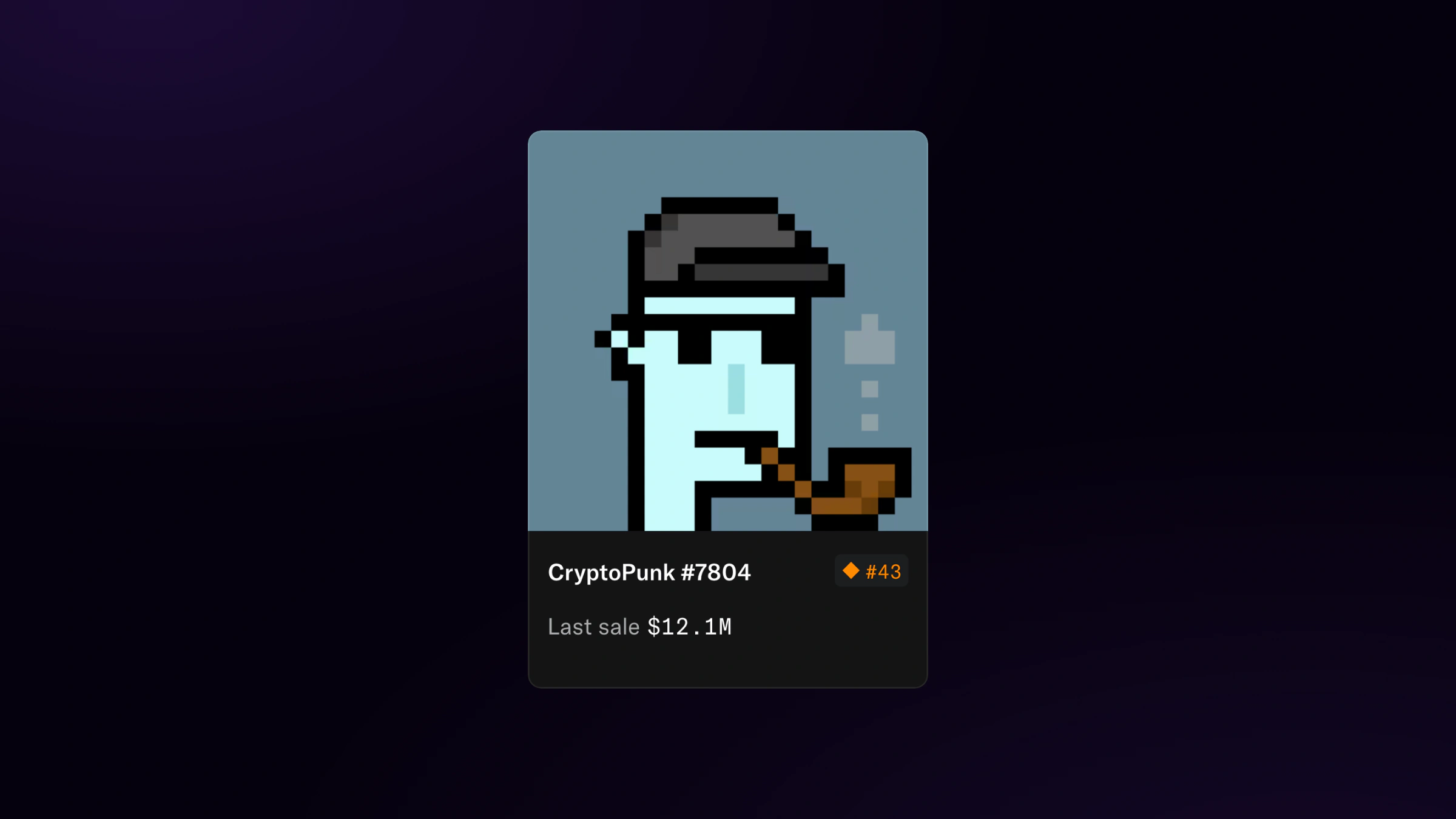
NFTs for access, names and digital items: verifiable uses, rights that need definition and limits to authenticity and interoperability.
We design, audit and deploy blockchain infrastructure for in-game assets, collectibles and economies, with security, integration and compliance controls defined for each project.
As featured in





