
Regulatory overview
- Scope
- United Kingdom
- Authorities
- Regulatory index
- Latest regulatory change
 United Kingdom
The UK combines AML registration, financial promotion controls and activity-specific permissions. Applications for the new cryptoasset regime opened on September 30, 2026; general application begins on October 25, 2027. Securities tokenization requires assessment of existing financial permissions or Digital Securities Sandbox conditions, without equating a token with ownership of the underlying asset.
Is crypto legal in the United Kingdom?
Yes, in a mixed or conditional environment: there is no proven severe barrier, but businesses face specific uncertainties. The FCA applies AML registration and activity-specific financial regulation.
In the Metlabs Regulatory Index it scores 65/100 and ranks 56 of 76 countries assessed (assessed October 3, 2026). See the country ranking
A business preparing digital asset issuance or services in the United Kingdom works with two timetables. It must comply with requirements already affecting its activity and, where within the new perimeter, prepare authorization for the general regime starting on October 25, 2027.
The FCA application gateway opened in September 2026, enabling formal preparation without combining every permission. Anti-money laundering registration, financial promotions, tokenized securities and participation in the Digital Securities Sandbox address different questions about activity, clients and rights.
Requirements applying now and those starting in 2027
In October 2026, the UK framework requires distinguishing current operating obligations from the new cryptoasset regime. The Financial Services and Markets Act 2000 (Cryptoassets) Regulations 2026 provide for general application from October 25, 2027. Certain preparatory provisions allow earlier rulemaking and application processing; the making of the instrument does not mean the entire regime is already applicable. The instrument also works through two distinct routes that should not be confused: it amends the Regulated Activities Order to create new regulated activities, which are the ones requiring authorization, and it separately creates designated activities, which subject anyone carrying on certain conduct to rules without needing to be authorized. It also amends the Financial Promotion Order and the money laundering, payment services and electronic money regulations.
Services involving tokens that constitute regulated investments must be assessed under the existing financial perimeter. Other models may fall under anti-money laundering registration and financial promotion controls. Instrument classification, activity and territorial connection determine obligations. The UK does not apply MiCA domestically or provide a MiCA passport through FCA registration. Moreover, the instrument does more than create an authorization. Its Part 2 introduces, applying from October 25, 2027, a set of designated activities that directly affects issuance: it prohibits public offers of qualifying cryptoassets in the United Kingdom unless an exception applies, requires a disclosure document and, where relevant, a supplementary one, attaches liability for their content with an obligation to pay compensation for inaccurate statements, and gives investors a right of withdrawal on the terms set by FCA rules.
Schedule 1 sets out the exceptions to the prohibition, including offers made only to qualified investors, offers to fewer than 150 persons in the United Kingdom other than qualified investors, offers of cryptoassets admitted or pending admission to trading on a qualifying trading platform, and offers to directors or employees. A second chapter adds a market abuse regime covering inside information, manipulation, insider lists and systems and procedures obligations.
The roles of the FCA and Bank of England
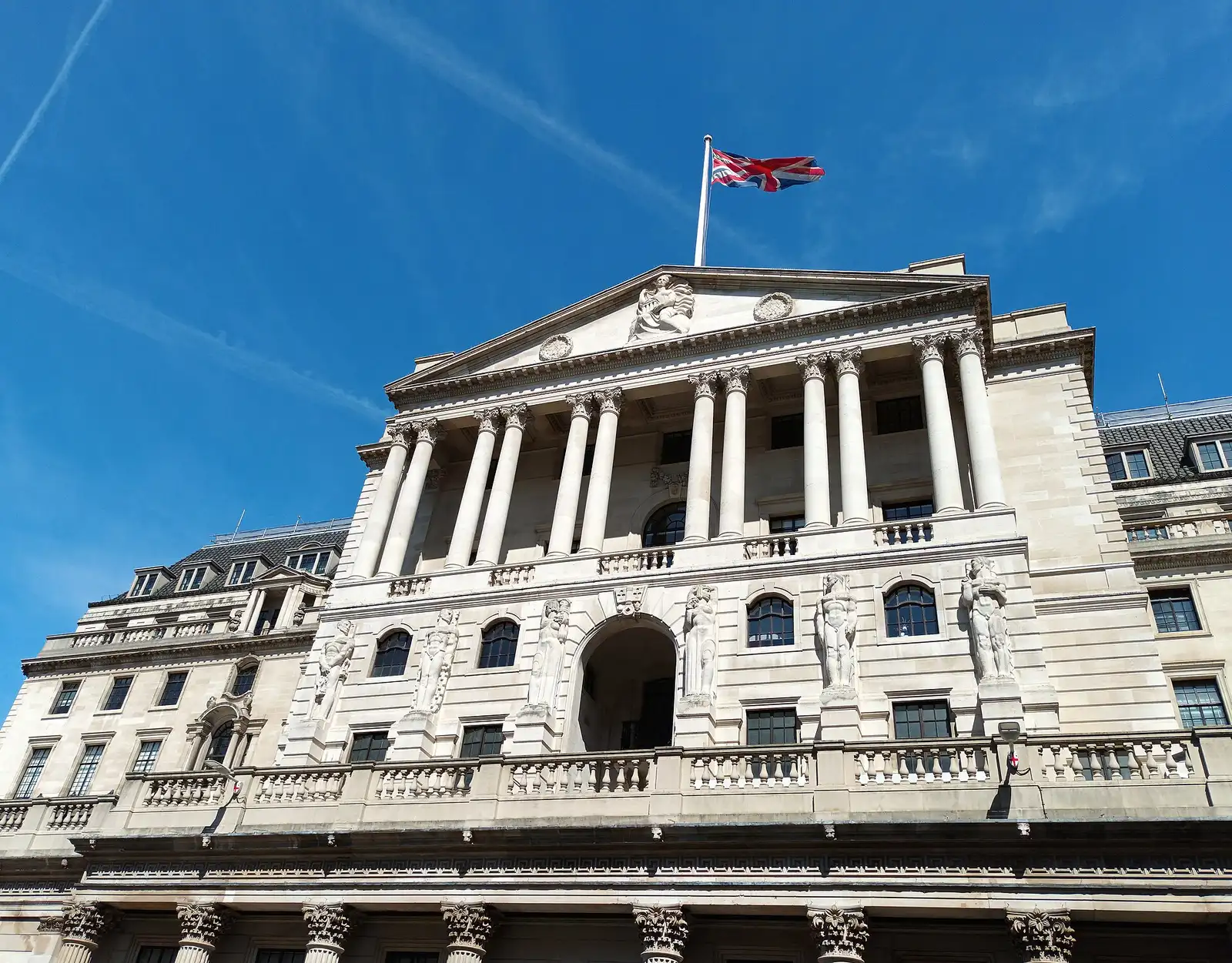
The FCA supervises AML registration of certain cryptoasset businesses, financial permissions within its remit and promotion rules. Under AML registration, its role is limited to anti-money laundering and counter-terrorist financing. Registration is not an endorsement of the provider and does not itself confer Financial Services Compensation Scheme protection.
The Bank of England and FCA jointly operate the Digital Securities Sandbox, DSS, with distinct infrastructure and trading responsibilities. HM Treasury establishes the legislative framework using its statutory powers. Describing the FCA as sole supervisor of all digital activity therefore overlooks institutional responsibilities and may confuse platform permissions with those of its providers.
Seeking registration and preparing for the new authorization
Exchange and custody activities within the Money Laundering Regulations require registration before starting in-scope UK business. The FCA application guide requires specific documentation and a money laundering reporting officer with appropriate capability and independence. A preliminary meeting or application submission does not authorize services to begin.
The FCA opened its new application gateway on September 30, 2026. The initial window ends on February 28, 2027. Firms must seek authorization or a variation of permission according to their position. Existing AML registration does not automatically become the new permission, and assessment extends beyond anti-money laundering requirements.
The gateway and transition arrangements distinguish applications submitted within the window from other cases. Existing firms satisfying continuity conditions can continue services while their applications are assessed. The transitional route for pre-existing contracts has different limits and its own conditions: it is a temporary exemption confined to pre-existing contracts, it must be notified to the FCA and each counterparty to the contract must be informed, and the FCA may vary or cancel it; while it applies, specific restrictions on financial promotions also apply. Unrestricted continuity must not be promised to every late applicant, nor an application treated as a favorable decision.
What digital property law recognizes and the DSS permits
The Property (Digital Assets etc) Act 2025 clarifies that a thing, including a digital thing, is not excluded from personal property rights because it falls outside the two traditional categories. The Act extends to England, Wales and Northern Ireland. It does not establish that any token automatically transfers ownership of real estate, artwork or a company interest.
Issuance must specify the contractual or corporate right, formalities, custody and effects against third parties. The DSS enables certain infrastructure functions involving digital securities. Initial testing is not permission for live business: after Gate 2, real activity can take place within limits. Each participant's permissions, approval notices and scope require separate verification.
Coordinating promotions, custody and final rules
The FCA describes four routes for cryptoasset financial promotions: communication by an authorized firm, approval by a firm with appropriate permission, an exemption for certain MLR-registered businesses or another applicable financial promotion exemption. Overseas communications may fall within scope if capable of having a UK effect. A partner's payment authorization does not automatically legitimize the provider's promotion.
Preparation for the new regime requires reviewing governance, asset protection, conduct and resources against the requested services. The FCA preparation guide requires a credible plan with clear accountability. Existing obligations must be separated from controls needed for 2027. Technology outsourcing and overseas permissions do not replace assessment of the UK business model.
The FCA published final rules on June 30, 2026, covering stablecoins, services, custody, admissions, market abuse and prudential requirements. Publication does not bring forward general application on October 25, 2027. Preparation must distinguish cryptoasset services, issuance and backing assets; financial tokens do not all receive the same safeguarding treatment. Further FCA work continues on areas including decentralized finance and resolution.
Preparing for the UK regulatory transition
Preparation should begin with an activity and client map: current duties, existing permissions and services entering the 2027 regime. The firm must establish whether it needs new authorization or a variation of permission and how its application fits the continuity conditions.
For tokenized issuance, digital property legislation does not replace documentation of the right or corporate and proprietary formalities. If using the DSS, verify the participant’s stage and limits. Commercial planning must distinguish operating permission, promotion requirements and asset safeguarding.
To understand how this framework applies to your project, discuss your case with our team.
Key takeaways
- Current AML registration does not automatically become authorization under the new regime.
- The initial application window runs from September 30, 2026, to February 28, 2027.
- Financial promotions may fall under UK rules even where the provider is overseas.
- The 2025 digital property Act extends to England, Wales and Northern Ireland; it does not authorize financial services.
- From October 25, 2027, the instrument prohibits public offers of qualifying cryptoassets unless an exception applies and requires a disclosure document with liability for its content.
Regulatory milestones
Cryptoasset financial promotions
The promotion regime applies to covered cryptoassets, including communications by overseas providers.
Digital property legislation
The Act clarifies eligibility as an object of personal property rights in England, Wales and Northern Ireland.
Cryptoassets Regulations made
The instrument sets general application for October 2027 and permits earlier preparatory steps.
FCA application gateway opens
The initial authorization window begins, with its closing date set for February 28, 2027.
General application scheduled by legislation
Future general application date for the new regime, subject to saving and transitional provisions.
Get each month's regulatory changes by country
One email a month with the rules approved and taking effect in each jurisdiction, with the official source and the updated guide. You can unsubscribe at any time.
Frequently asked questions
No. Applications opened on September 30, 2026, but general application begins on October 25, 2027. AML registration, financial promotions and existing activity-specific permissions remain relevant in the meantime.
No. The firm must apply for the relevant new regime authorization or vary its permissions. Continuity while an application is assessed depends on applicable conditions and submission timing.
No. The DSS distinguishes initial testing, live business within limits and later scaling. Each participant’s stage, approvals and permitted activities must be checked.
The Property (Digital Assets etc) Act 2025 extends to England and Wales and Northern Ireland. It should not be given a different territorial extent or treated as automatically transferring an underlying asset. United Kingdom · Property Act 2025.
The window that opened on September 30, 2026, closes on February 28, 2027. Applying within it does not guarantee authorization; continuity also depends on the prescribed conditions. FCA · Procedure and transition.
How to cite this guide
If you use this guide as a source in an article, academic paper or report, you can cite it as follows (APA style):
Yáñez López, J. (2026, October 15). Digital asset regulation and tokenization in the United Kingdom. Metlabs. https://metlabs.io/en/blockchain-regulation/united-kingdom/