Who is Brian Armstrong? Coinbase founder and the Base network
Brian Armstrong's biography: Rice, Airbnb, co-founding Coinbase with Fred Ehrsam, the stock listing, the SEC lawsuit and the Base network.
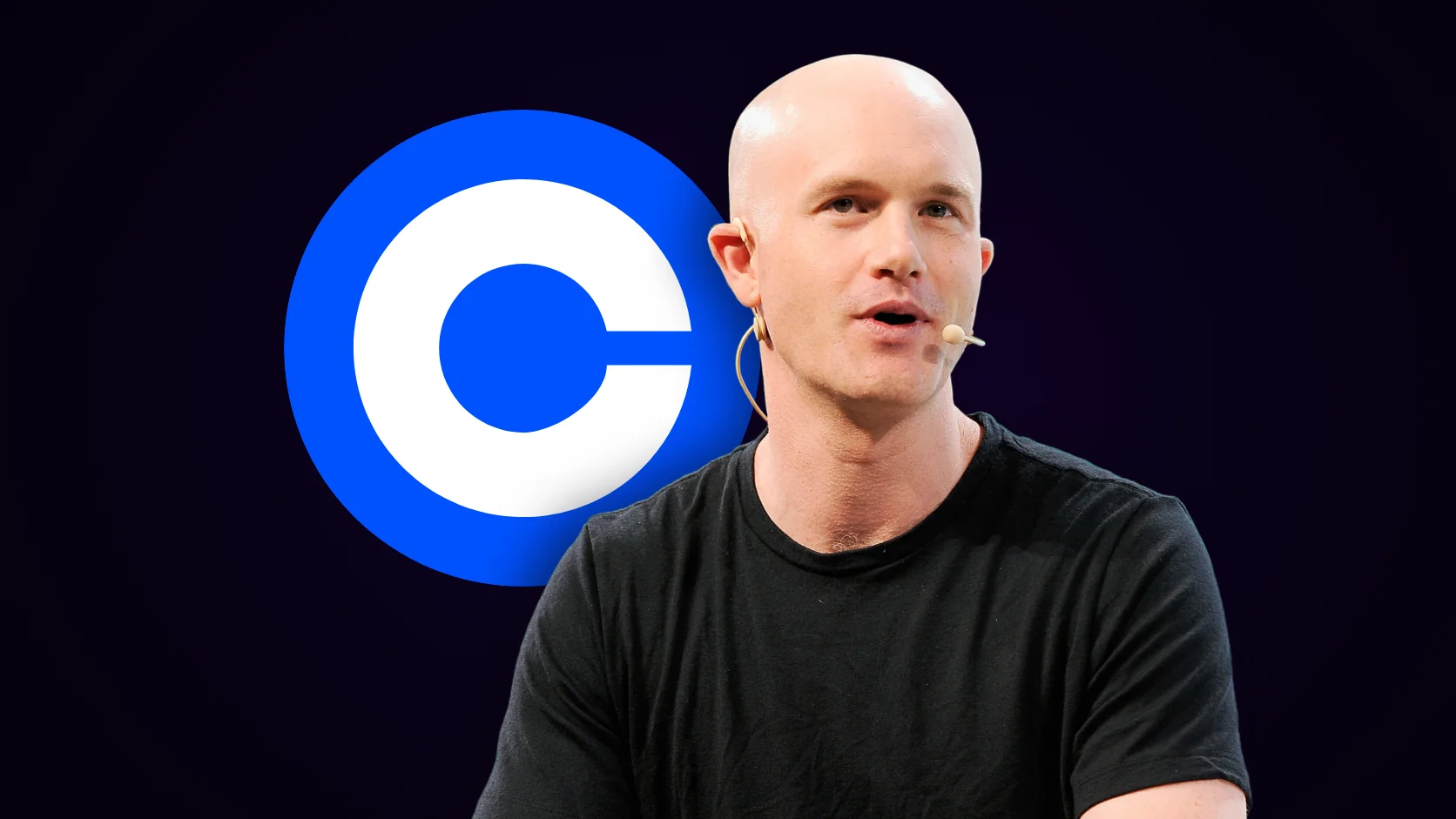
Brian Armstrong is an American software engineer who co-founded Coinbase in 2012 and has run it ever since. Coinbase started as a service for buying and storing bitcoin without managing private keys and became one of the leading cryptoasset platforms in the United States, listed on Nasdaq since 2021. In 2023 it also launched Base, a network that operates as an Ethereum layer 2.
His profile occupies a specific place in the industry: the regulated company that connects bank accounts with public networks. That position explains his role in cryptoasset adoption in the United States, as well as his disputes with the SEC and his political activity in Washington. Distinguishing between Armstrong, Coinbase and Base helps clarify which decisions depend on each.
Who is Brian Armstrong?
Armstrong is co-founder, CEO and chairman of Coinbase Global. He founded the company with Fred Ehrsam, who joined in 2012 and whom Armstrong describes as a full co-founder; as he explained on Tim Ferriss's podcast, Armstrong handled much of the early work with banks and compliance himself.
Outside Coinbase he co-founded NewLimit, a biotechnology company researching epigenetic reprogramming of cells to treat age-related diseases, according to Fortune. It is not part of his blockchain activity, but it shows how he divides his time and capital.
Education and early career
Armstrong grew up in California and studied at Rice University in Houston, where he earned degrees in economics and computer science and then a master's in computer science. While at university he created UniversityTutor.com, a service matching students with private tutors which, by his own account, was struggling: it paid his rent but was not growing.
After university he worked as a consultant at Deloitte and spent about a year in Buenos Aires. In the conversation with Ferriss he describes that period as a time of personal searching and recalls an economy with little confidence in the future and businesses operating in grey areas; looking back, he connects it with Argentina's history of inflation. In 2010 he read the Bitcoin white paper.
In 2011 he joined Airbnb as a software engineer, where he was, by his account, around employee number 40. On nights and weekends he and a friend built a bitcoin wallet for Android that ran a full node on the phone itself. He quickly saw the problem: syncing the chain took minutes. He concluded that someone would need to offer the service from the cloud, although at the time he did not expect to do it himself.
How Coinbase started
In March 2012 he posted anonymously on Hacker News looking for a technical co-founder to apply to Y Combinator with. He described a prototype similar to a PayPal for bitcoin, designed to let merchants avoid card fees, and pointed to its usefulness in developing countries. Coinbase joined Y Combinator that year.
The product found its use through a simple change. After a launch that attracted sign-ups but not repeat visits, Armstrong contacted users directly and one told him he would have bought bitcoin if the app had a button to do it. Coinbase went on to combine a custodial wallet with bitcoin purchases linked to bank accounts.
That model still defines the company. Coinbase holds the keys to its customers' assets and records much of their activity in its own infrastructure, much like other centralized platforms such as Binance. Customers gain simplicity and, in exchange, depend on the company's solvency, controls and terms.
Stock listing and the SEC dispute
In April 2021 Coinbase began trading on Nasdaq through a direct listing, without issuing new shares. A few months earlier, in September 2020, Armstrong had published a post defining Coinbase as a mission-focused company that would not take positions on political causes unrelated to its mission, and shortly afterwards offered severance to employees who preferred to leave.
In June 2023 the SEC sued Coinbase for operating as an unregistered exchange, broker and clearing agency and for offering its staking program as an unregistered securities offering. Armstrong argued that existing rules offered no clear path to register that activity. On 27 February 2025 the SEC agreed with Coinbase to dismiss the case and stated that the decision did not assess the merits of the claims, according to its statement.
Base: Coinbase's network on Ethereum
Base opened to the public on 9 August 2023, according to The Block. It is an Ethereum layer 2 of the optimistic rollup type: it batches transactions outside the main network and publishes the data to Ethereum, where an incorrect transaction can be challenged during a dispute window. The Base technology page explains how it works.
Base launched on the OP Stack, Optimism's open-source software. In February 2026 it announced that it would move to its own unified codebase, including the sequencer and client releases, and would replace Optimism on its security council, according to The Block. The network has no token of its own; in September 2025 its lead, Jesse Pollak, said the team was beginning to explore one, with no definitive plans, according to The Block.
The relationship between Coinbase and Base is closer than that between a company and an independent public network. Coinbase launched Base, integrates the network into its products and its teams decide its upgrades. Builders on Base inherit Ethereum's guarantees over published data, but also Coinbase's influence over transaction ordering and how the software evolves.
Brian Armstrong today
Armstrong remains at the head of Coinbase as CEO and chairman. In March 2026, a shareholder filed a derivative lawsuit in New Jersey against him and other executives alleging breaches of fiduciary duty during the period of the SEC litigation, according to The Block. The case is ongoing and there has been no ruling on the merits.
On regulatory policy, Armstrong has been one of the leading advocates for a federal law on cryptoasset market structure. In January 2026 he withdrew his support for the CLARITY Act bill, calling some of its provisions problematic, and in April he backed it again after a new compromise. On 15 September 2026 the procedural vote in the Senate failed 49 to 50 and the bill has not become law, according to Fireblocks.
Brian Armstrong's contribution
Armstrong's contribution lies in access. Coinbase turned buying bitcoin, which in 2012 required installing software and managing keys, into something comparable to using a financial app, and chose to do so inside the regulated system rather than outside it. That choice allowed it to reach customers and institutions that would not have used an unsupervised platform.
Base extends that bet to infrastructure: a listed company building on a public network rather than creating a private ledger. How that model is judged depends on how far the network progresses in independence from Coinbase. As long as the company orders its transactions and decides its upgrades, Base will be open infrastructure for developers with a clearly identifiable operator.


- The Tim Ferriss Show: Brian Armstrong transcript (10 Oct 2022)
- Hacker News: Apply with me to YC (26 Mar 2012)
- SEC: charges against Coinbase (6 Jun 2023)
- SEC: statement on dismissal of the Coinbase case (27 Feb 2025)
- The Block: Base public mainnet access on 9 August (3 Aug 2023)
- The Block: Base moves to its own unified stack (Feb 2026)
- The Block: Base begins exploring a network token (Sep 2025)
- The Block: shareholder lawsuit against Coinbase executives (Mar 2026)
- Coinbase: Coinbase is a mission focused company (27 Sep 2020)
- Fireblocks: what the failed CLARITY Act vote means (Sep 2026)
Got a blockchain project in mind?
From idea to product, strategy and technology must move forward together.