Who is Changpeng Zhao (CZ)? Binance founder
Changpeng Zhao’s biography: Binance co-founder, former CEO, the 2024 sentence, 2025 pardon and the distinction between Binance and BNB Chain.
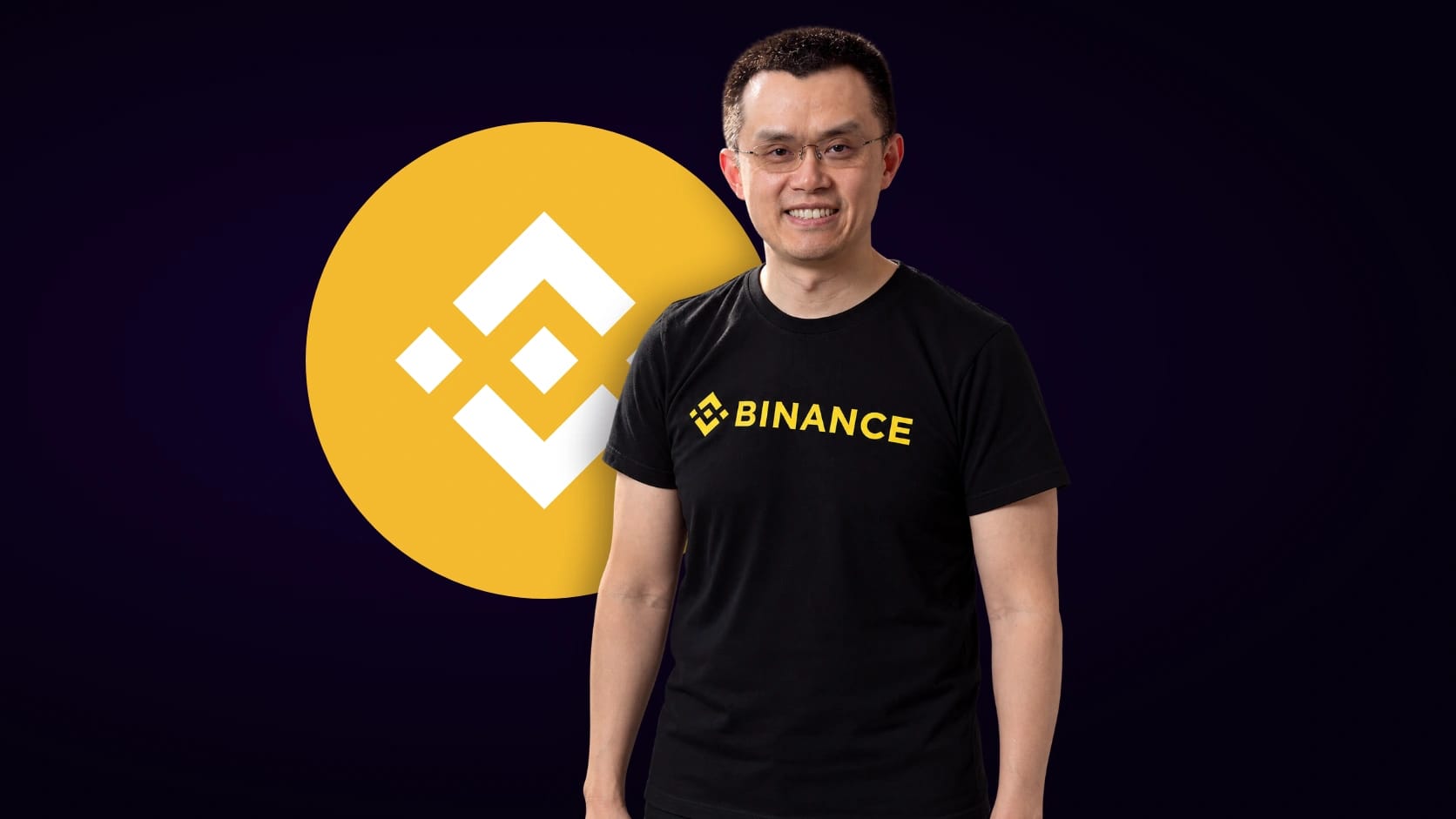
Changpeng Zhao, known as CZ, is the founder of Binance, an exchange platform providing access to cryptoasset markets. His career is part of the story of building a services business, combining product development, international expansion and the responsibilities of operating a financial platform.
A company's story is incomplete when its growth is told while the decisions of its leader are left out. In Zhao's case, his departure from leadership and the criminal proceedings in the United States are as much a part of the story as Binance's expansion. Confusing that company with Bitcoin or BNB Chain would obscure which decisions were his responsibility.
Who is Changpeng Zhao?
Changpeng Zhao co-founded Binance, launched in 2017, and served as its chief executive until November 2023. His name is commonly abbreviated to CZ. The company’s history also includes Yi He, a co-founder with a sustained role in product, community and leadership.
Binance’s institutional information identifies the company and its structure, but its commercial figures should be read as dated corporate metrics. They are not direct measures of decentralization or solvency and can change quickly.
Zhao’s contribution concerns the organization of a services platform: trading systems, market access, support and international operations. He did not create Bitcoin and cannot change the rules of the networks transferring assets supported by an exchange.
His career before Binance
The corporate biography places his studies at McGill and his earlier work in trading systems. In 2005, he left his role in Bloomberg Tradebook’s futures development team to start Fusion Systems in Shanghai; he later worked in technology at Blockchain.com. These were financial infrastructure roles preceding the platform that made him widely known.
That background helps explain Binance’s early focus: organizing markets and asset access through an operating experience serving users across countries. Technical experience explains part of the product; it does not replace an assessment of how the company was managed.
What did Binance build?
A centralized exchange coordinates accounts, balances, orders and trades within its own infrastructure. It can support deposits and withdrawals over public networks, but much trading activity between customers is not recorded as an individual transaction on those networks.
That architecture provides a different experience from interacting directly with contracts through a wallet. Users depend on the provider’s systems and terms to access accounts and withdraw the assets owed to them. Seeing a platform’s blockchain address does not, by itself, reveal all its obligations to customers.
Binance expanded that model across markets and services. International product distribution was part of its development, but also increased requirements for oversight, controls and corporate organization. Business scale and compliance quality are different variables.
Binance, BNB and BNB Chain are different things
Binance is a company and services platform. BNB is an asset used in an ecosystem that includes network functions. BNB Chain identifies blockchain infrastructure historically associated with that environment. Shared origins and branding do not make these three components one entity.
Assessing an application on BNB Chain requires examining validators, contracts and specific permissions. Assessing a Binance account involves the contracting entity, custody and service terms. Neither question can be answered solely through CZ’s biography.
The distinction also avoids describing BNB as Binance shares. Token functions and corporate ownership rights are different categories. Equity in the company cannot be inferred from the asset’s name or use.
The 2023 guilty plea and departure
The US Department of Justice records that Zhao pleaded guilty on November 21, 2023 to a Bank Secrecy Act violation concerning failure to maintain an effective anti-money-laundering program. He left the Binance CEO role during that period.
The company’s resolution was separate from Zhao’s individual responsibility. Binance agreed to plead guilty to corporate charges and pay approximately $4.3 billion, alongside compliance and monitoring commitments. That amount should not be described as the founder’s personal fine.
This episode is central to his career. It explains a leadership change and shows why a company intermediating assets retains responsibilities even when parts of its infrastructure connect to open networks.
The 2024 sentence and 2025 pardon
The official clemency register records Zhao’s April 30, 2024 sentence: four months in prison and a $50 million fine. It also documents the presidential pardon granted in October 2025.
The sentence and pardon belong to different stages of the case. The register documents both without establishing effects on other entities or proceedings.
Who leads Binance after CZ?
Richard Teng took over following Zhao’s departure in 2023. In December 2025, Binance announced Yi He’s appointment as co-CEO alongside Teng. Presenting CZ as the current chief executive, or describing all subsequent leadership through one name, would therefore be inaccurate.
Being a founder, retaining public influence and holding an executive role are different situations. Public influence does not, by itself, establish operational authority within the company.
How should his contribution be assessed?
Zhao is an important figure in the construction and distribution of services providing access to cryptoassets. His career shows how a platform can expand quickly while facing custody, governance and compliance obligations that shape its continuity.
A comparison with Satoshi Nakamoto is useful: one is associated with creating a payment protocol, the other with a company facilitating market access. Distinguishing those roles makes the industry easier to understand and avoids treating commercial success as evidence of a blockchain’s guarantees.

Got a blockchain project in mind?
From idea to product, strategy and technology must move forward together.