


Regulatory overview
- Scope
- Venezuela
- Authorities
- Regulatory index
- Latest regulatory change
 Venezuela
Venezuela has rules on cryptoassets, registration and licences with individually defined activities. The main uncertainty is establishing the current procedure and operational scope following SUNACRIP’s restructuring. Reports of individual renewals do not demonstrate general access for new providers, but prevent assuming a complete closure. Tokenization requires analysing the represented right and securities framework; foreign sanctions require a separate transaction-specific assessment.
In Venezuela, a business seeking to issue, exchange or hold digital assets needs evidence of current permission and its specific attributes. A historical framework or register does not establish that every procedure and service is available today on the same terms.
It must also separate local authorisation from international sanctions analysis. SUNACRIP permission and an OFAC general licence belong to different legal systems and purposes; neither automatically replaces the other.
How to verify current permissions and sanctions scope
The Constituent Decree on the Integral Cryptoasset System, published in Official Gazette 41,575 on 30 January 2019, establishes a broad framework for cryptoasset issuance, organisation, operation and use. Article 3 covers related property, services and activities within Venezuela. The Gazette copy preserved by INVEDET enables verification of that text; it does not itself establish each provider's administrative status in 2026.
The framework distinguishes registration, licensing and authorised activities. The February 2019 RISEC rules govern participant identification and information updates. They should not be treated as universal permission to issue, custody, exchange, provide banking services or distribute securities. An assessment must begin with what the business actually does and the scope of its authorising decisions.
Which authority supervises each activity
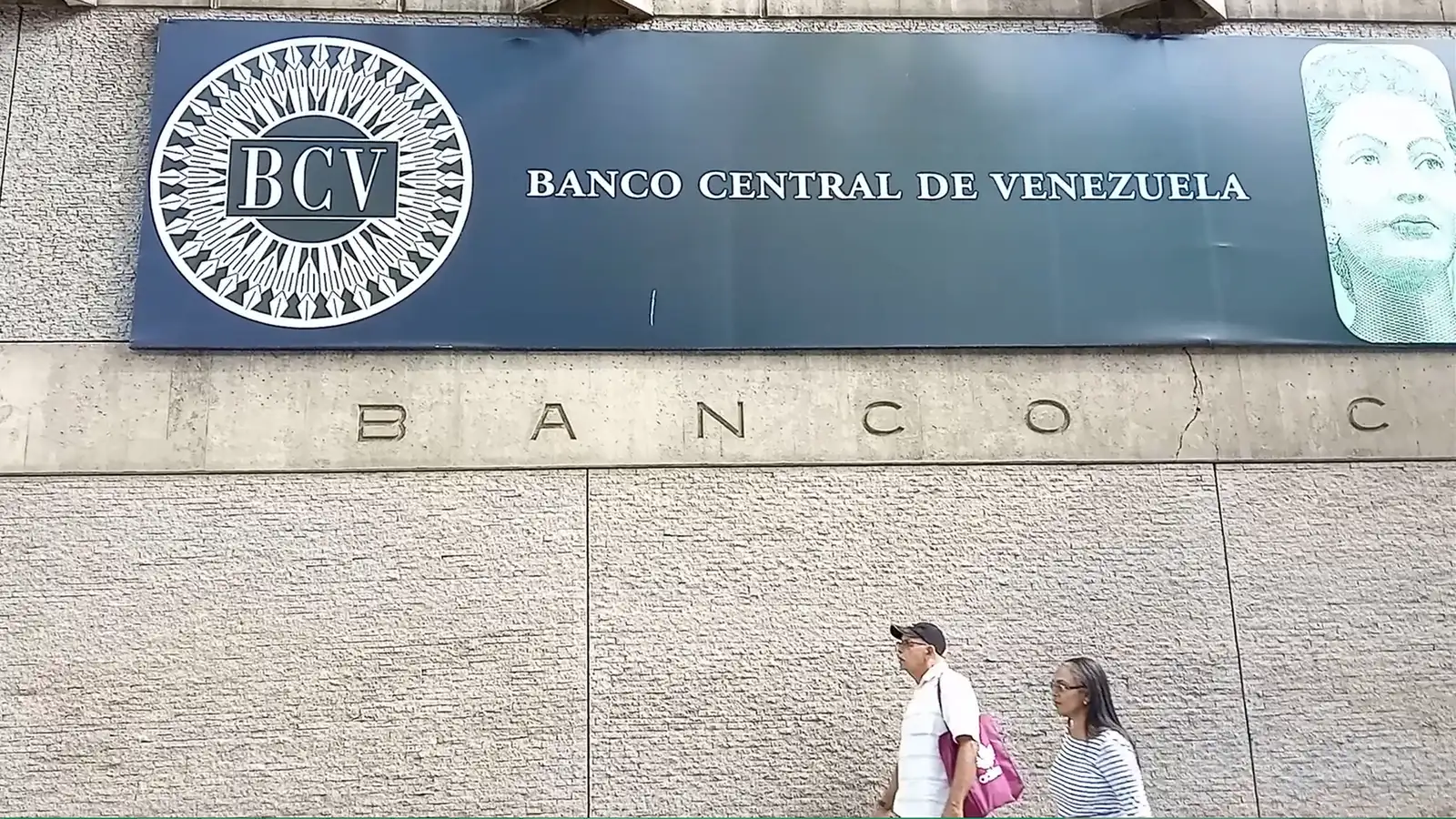
Article 11 of the decree assigns rulemaking, registration, licensing, supervision and illicit activity prevention functions to the National Superintendency of Cryptoassets and Related Activities, SUNACRIP. It also provides for coordination with the Central Bank of Venezuela, BCV. This does not mean every licence includes banking permission or that BCV has approved every asset used by a platform.
The National Securities Superintendency, SUNAVAL, has authority over securities market participants under Articles 1–4 of its governing law. The allocation of functions requires product-specific assessment. SUNACRIP's current structure and competence require documentary confirmation; its historical existence does not establish that every procedure remains available on identical terms.
Which permission the business model requires
Articles 27 and 28 of the decree contemplate exchanges holding licences whose attributes define operations, assets, fiat currencies and customer types. Each attribute follows an individual procedure and may be amended or revoked under the applicable framework. Articles 29 and 30 provide for mandatory registers without equating registration with allocation of every attribute.
Acceso a la Justicia documents restructuring initiated in March 2023 and a six-month extension from September 2024. This evidence does not automatically extend that same period to October 2026 or establish a general licensing moratorium. An official consolidated procedure establishing current access conditions for new applicants was not retrieved.
CriptoNoticias reported in January 2026 a renewal granted to Crixto. This is attributed evidence of an individual case, still requiring verification against an official register and possible later amendments. Consequently, this guide neither claims all licences are frozen nor treats that renewal as proof of open access for every business or service.
How holder rights are documented
The Securities Market Law includes issuance, custody, investment and intermediation within its scope and requires permission for covered regular intermediation. A project representing shares, debt or other investment rights must establish its position under that framework and its relationship with cryptoasset rules. Technology alone resolves neither classification nor supervisory competence.
This review has not established a specific tokenized issuance route or authorised DLT infrastructure supporting a general procedural description. Documentation must identify the holder's right, issuer or obligor, legally effective transfer and underlying asset requirements. A digital record alone establishes neither real estate ownership nor protection against issuer insolvency.
Baker McKenzie's 2026 guide distinguishes public offerings, brokerage and advice under securities rules. This separation is relevant to project structuring but does not validate a particular tokenized issuance. A law firm's professional experience likewise cannot replace the administrative decision required by the provider.

Which obligations continue during operations
The October 2019 version of exchange operating conditions addresses user contracts, service information, illicit activity controls, confidentiality and technological contingency planning. It is used as documentary background. Before commencing, operators must verify amendments, individual licence conditions and current instructions; no unverified current reporting timetable is presented here.
US sanctions require separate analysis. Executive Order 13827 restricts specified transactions by US persons or within the United States involving currency or tokens issued by the Venezuelan Government from 9 January 2018. It does not prohibit every private digital asset. OFAC FAQ 680 distinguishes private transactions from dealings involving blocked persons or prohibited conduct.
General License 57, dated 14 April 2026, authorises specified financial services involving expressly covered banks and individuals, with exceptions. It neither unblocks previously blocked property nor permits otherwise prohibited transactions without separate authorisation. Counterparty, ownership, jurisdictional connection and the current licence version must be checked against OFAC's official programme.
What to prepare before launching the project
Obtain the authorising decision, attributes, validity and supervisory conditions, and compare them with proposed services. If current documents are unavailable, keep market access unresolved instead of relying on historical permission or a news report.
For each issuance or financial relationship, document issuer, rights, counterparty and jurisdictional connection. Review the official sanctions programme and version of any licence relied upon, including exclusions and transactions needing another basis.
The assessment remains without an overall score because current comparable evidence of access and service coverage is missing. Resolving those issues requires the current procedure, authorising decision and its attributes, alongside the applicable issuance framework. The guide attributes neither a tax exemption, guaranteed banking access nor international permission to merely using a platform or distributed ledger.
To understand how this framework applies to your project, discuss your case with our team.
Key takeaways
- Registration and licensing are distinct; activity depends on authorised attributes.
- A current operational general route for new applicants remains unverified; no overall score is published.
- Renewals reported by providers or media require checking the individual decision and its validity.
- Digital representation does not automatically establish ownership or exemption from securities rules.
- OFAC sanctions include specific prohibitions and authorisations; they do not close all private activity.
Blockchain development in Venezuela
Regulatory milestones
OFAC publishes General License 57
Authorises specified financial services involving covered banks and persons, subject to limits. This is US sanctions authorisation, not a local digital asset licence.
Frequently asked questions
Registration must not be equated with every licence attribute. Verify activities, assets and users covered by the particular permission.
Once verified, it would establish one case and its conditions. It does not alone establish an open general procedure or the scope of other permissions.
No. General License 57 authorises certain US-sanctions transactions involving defined parties. It does not replace local digital asset permissions.
FAQ 680 distinguishes private transactions from blocked-person involvement or other prohibited conduct. Check counterparties and the particular transaction.
No. Document enforceable rights, transfer and asset registers and formalities. Uncertainty over permission does not resolve those property questions.





