


Regulatory overview
- Scope
- Israel
- Authorities
- Regulatory index
- Latest regulatory change
 Israel
Israel regulates professional virtual-currency services through financial-asset service licences, with CMISA, the securities authority and Bank of Israel responsible according to activity. July 2026 publications include custody and capital circulars and separate proposals on stablecoins, coin listing and banking access. Each measure must be distinguished by status and timetable; a service licence does not automatically authorise every offering.
In Israel, permission for virtual-currency services and securities regulation answer different questions. An exchange or custody platform needs to assess financial-service licensing; an offering granting debt or participation requires additional examination of its rights and securities rules. Banking access is a further check.
This guide connects those three questions with project documentation. It also separates stablecoin proposals and digital shekel work from current permissions. A business needs to identify each entity’s functions and continuing obligations, including where technology is outsourced or an authorised provider is involved.
How virtual-currency services differ from securities
The 2016 Supervision of Regulated Financial Services Law includes virtual-currency services within the financial-asset perimeter. CMISA licensing documentation provides specific requirements for these providers. Exchange, transfers, management and custody require assessment of the professional activity and authorised scope; there is no generic licence for every business using blockchain.
Tokens constituting securities require additional assessment under securities regulation. The ISA institutional report explains that existing rules can cover digital asset offerings, markets, funds and intermediaries according to their characteristics. Proposals to broaden definitions should not be confused with automatic approval of all instruments or a new exempt category.
What CMISA, ISA and Bank of Israel supervise
The Capital Market, Insurance and Savings Authority, CMISA, handles financial-asset service licensing. The Israel Securities Authority, ISA, supervises securities and other financial activities within its remit. Permission for virtual-currency services does not replace offering or intermediary requirements where the token represents a financial instrument.
The Bank of Israel supervises relevant banking operations. Its explanation of Directive 411 addresses risk management and banking services connected with virtual currencies. The Israel Money Laundering and Terror Financing Prohibition Authority, IMPA, participates in prevention and financial intelligence; it should not be described as an alternative commercial VASP licensor.
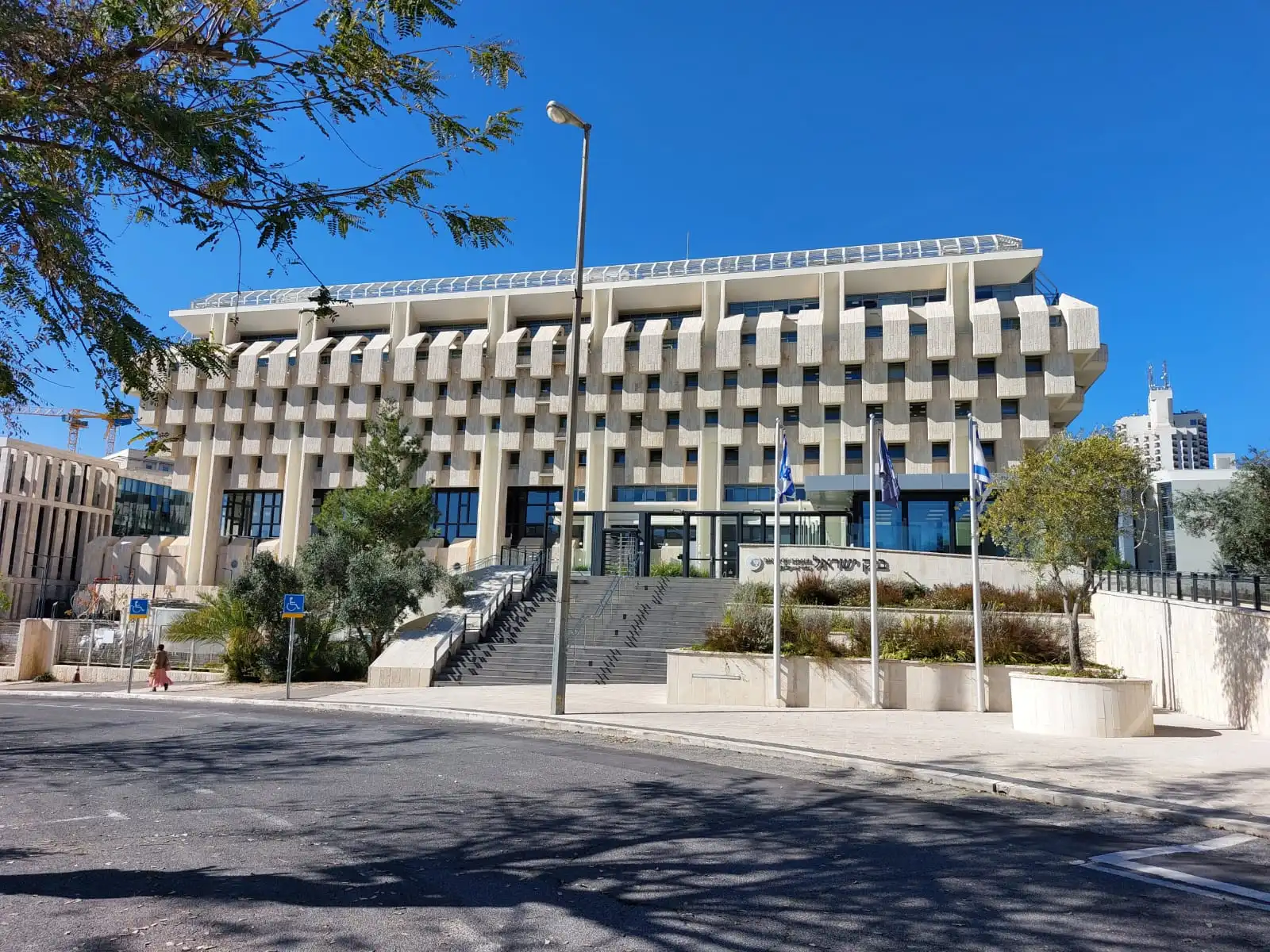
What licensing requires and how it affects banking access
The licensing procedure requires documentation of organisation and operations alongside virtual-currency-specific matters, outsourcing, marketing and anti-money laundering controls. The services and assets covered by an individual permission need checking. Submitting an application or holding another financial authorisation does not establish permission to hold keys or execute customer transactions.
The current banking explanation states that services may not be refused solely because of their virtual-currency connection where the transaction's provider holds the relevant Israeli licence. This does not prevent risk controls or guarantee acceptance of every transfer. The July 2026 banking proposal seeks to change this framework; it is not treated here as an already applicable reform.
How to define rights and distinguish monetary projects
Classification must identify whether the token represents an interest, debt, contractual claim or another instrument. Offering documentation, registration, custody and transfer rules determine enforceable holder rights. No general provision has been established making every blockchain transfer equivalent to a registered change in land or company ownership.
The 2026 stablecoin draft legislation proposes a specific issuer regime. Future requirements must be separated from the service licence currently under assessment. The Bank of Israel's May 2026 report describes the digital shekel as preparation for an issuance decision; neither that monetary project nor technical testing independently permits private issuance.
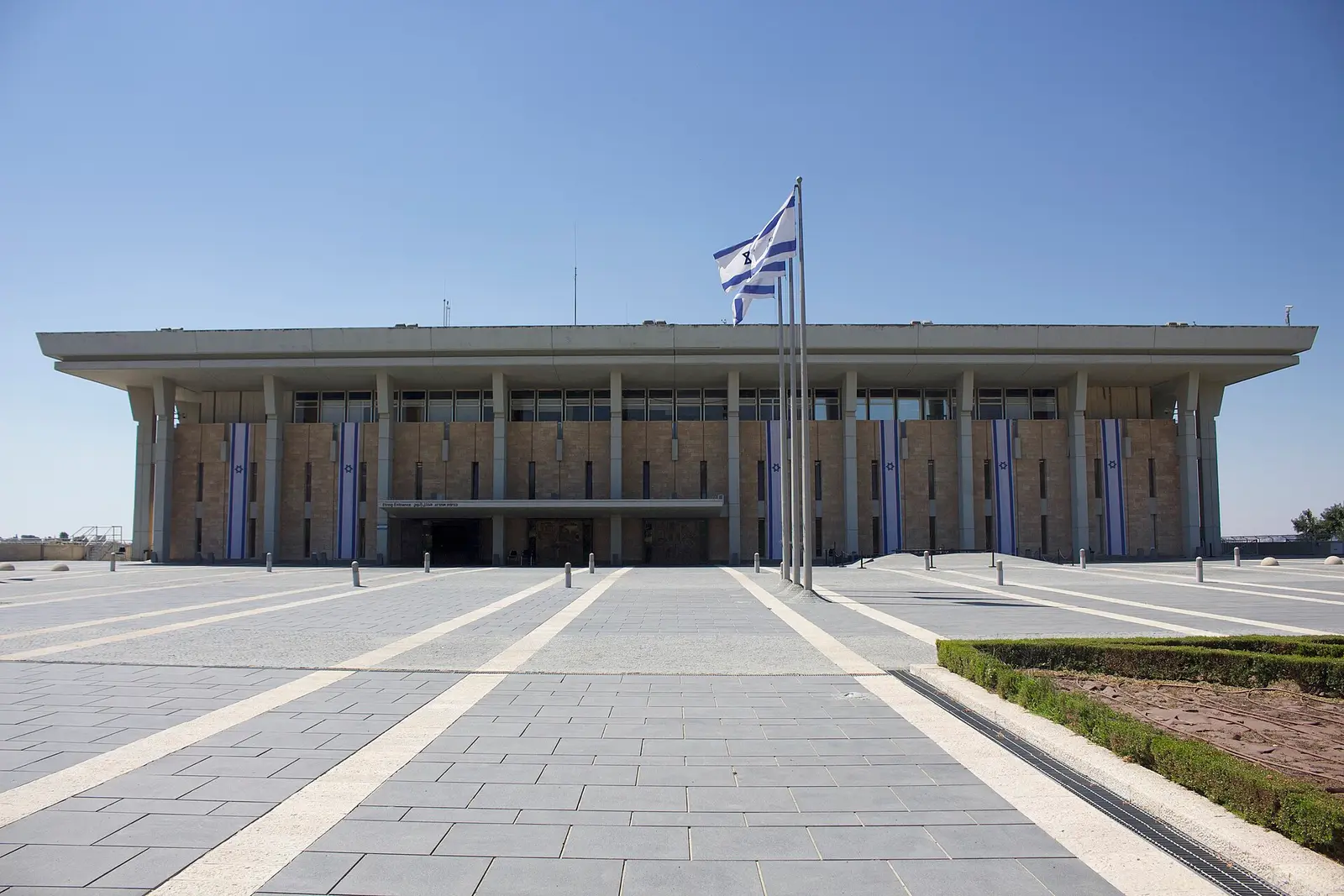
Which custody and prevention controls need checking
Parliamentary AML documentation confirms inclusion of financial-asset services, including virtual currencies, in identification, record-keeping and reporting requirements. Obligations depend on the service and operative rules. International recommendations or an earlier transfer-information consultation do not replace verification of specific domestic instructions.
The July 2026 official catalogue publishes custody and capital circulars covering security, records, incidents and outsourcing, alongside additional capital associated with virtual currencies held in custody. These differ from the 28 July listing draft, which proposes coin assessment, monitoring and delisting. Applicable timing and precise calculations require checking against the full texts before implementation.
What to prepare for project assessment in Israel
Describe issuance, intermediation, custody and payments, identifying the entity and assets for each function. Prepare client contracts, source and movement of funds, key control and provider documentation. This supports separate assessment of CMISA licensing, possible ISA scope and banking checks.
Before fixing capital or custody controls, obtain the full text and timetable of the July 2026 circulars; access remained restricted during this review. Separately check final implementation of stablecoin, listing and banking proposals. Digital shekel preparation does not replace those decisions for a private service.
To understand how this framework applies to your project, discuss your case with our team.
Key takeaways
- CMISA and ISA have different responsibilities by service and instrument.
- The licence must cover virtual currencies and the actual activity.
- Stablecoin and listing proposals are not presented as operative legislation.
- Licensing guarantees neither banking access nor automatic ownership of underlying assets.
Blockchain development in Israel
Regulatory milestones
Digital shekel preparation report
Bank of Israel distinguishes technical preparation from an issuance decision.
Official custody and capital circular publication
CMISA catalogue date; not confirmation of all application dates.
Coin listing consultation
CMISA publishes draft listing and monitoring policies.
Frequently asked questions
The May 2026 report examines a multipurpose digital shekel for retail use and financial institutions. That assessment considers different needs; it does not confirm that all proposed functions will be available or establish a launch timetable.
The sources examined describe draft legislation. Its enactment and application as a final regime have not been confirmed here.
Bank of Israel’s explanation limits refusal based solely on that connection where a provider holds the relevant Israeli licence. Risk assessment and transaction checks remain. A business should substantiate source of funds and participants without presenting licensing as unconditional bank acceptance.
The May 2026 report describes preparation for a decision, including technology assessment and design. It does not establish decided issuance or infrastructure open to every project. Commercial contracts and timetables should distinguish that research from an actually available service.
Bank of Israel’s regulatory page distinguishes banking services for customers from a bank’s own cryptoasset activity. For the latter it describes prior notification to the supervisor under new-product rules. A non-bank provider’s treatment should not be extrapolated to a bank.





