
Regulatory overview
- Scope
- El Salvador
- Authorities
- Regulatory index
- Latest regulatory change
 El Salvador
 has a dedicated framework for digital asset offerings and services supervised by the National Commission of Digital Assets. Market entry requires identifying the registration or procedure applicable to the provider, issuer and offering. Bitcoin acceptance by private parties became voluntary under the 2025 reform. Tax benefits and Salvadoran authorization are subject to conditions and do not replace requirements in foreign markets.
El Salvador regulates digital assets through two frameworks that should be distinguished at the outset. The Bitcoin Law addresses that currency and its use for payments. The Digital Assets Issuance Law, known as LEAD, establishes a regime for offerings and services within its scope, supervised by the National Commission of Digital Assets, or CNAD. Choosing a network or incorporating a company does not by itself determine which regime applies to a project.
For a business issuing tokenized debt, holding assets in custody or building a platform, the assessment starts with functions and rights. It must identify the issuer, client service providers and participants structuring or certifying the issuance. This guide explains how those roles fit together, which steps allow a business to operate and which limits matter when an offering also targets other countries.
Which rules apply to bitcoin and other digital assets
LEAD governs offerings and participants within its scope, subject to exclusions that should be assessed before applying for registration. An asset’s name does not settle its treatment: its rights, distribution and associated services matter. Developing a smart contract for another business calls for a different assessment from controlling client assets or executing their orders.
The amended Bitcoin Law retains the wording “legal tender”, but from 30 April 2025 provides for voluntary acceptance by individuals or wholly privately owned legal entities. It also repeals Articles 4, 8 and 9 of the law, including the specific provision allowing tax contributions to be paid in bitcoin. The US dollar remains the accounting reference. El Salvador’s framework should therefore not be described as a current general obligation for every business to accept bitcoin. The program agreed with the International Monetary Fund continues to shape the country’s policy in this area: its October 2026 review states that efforts are underway to reduce the State’s involvement in bitcoin-related activities and lists among priority actions amending LEAD as appropriate.
Distinguishing the frameworks also requires checking their amendments. On 3 October 2024 the Legislative Assembly approved Legislative Decree 111, amending LEAD. According to professional sources, it extends LEAD to bitcoin service providers and creates a register for them with CNAD; the official sources reviewed do not show a reference to its publication in the Official Gazette. A business combining bitcoin services with services involving other digital assets should confirm the applicable regime with CNAD before operating.
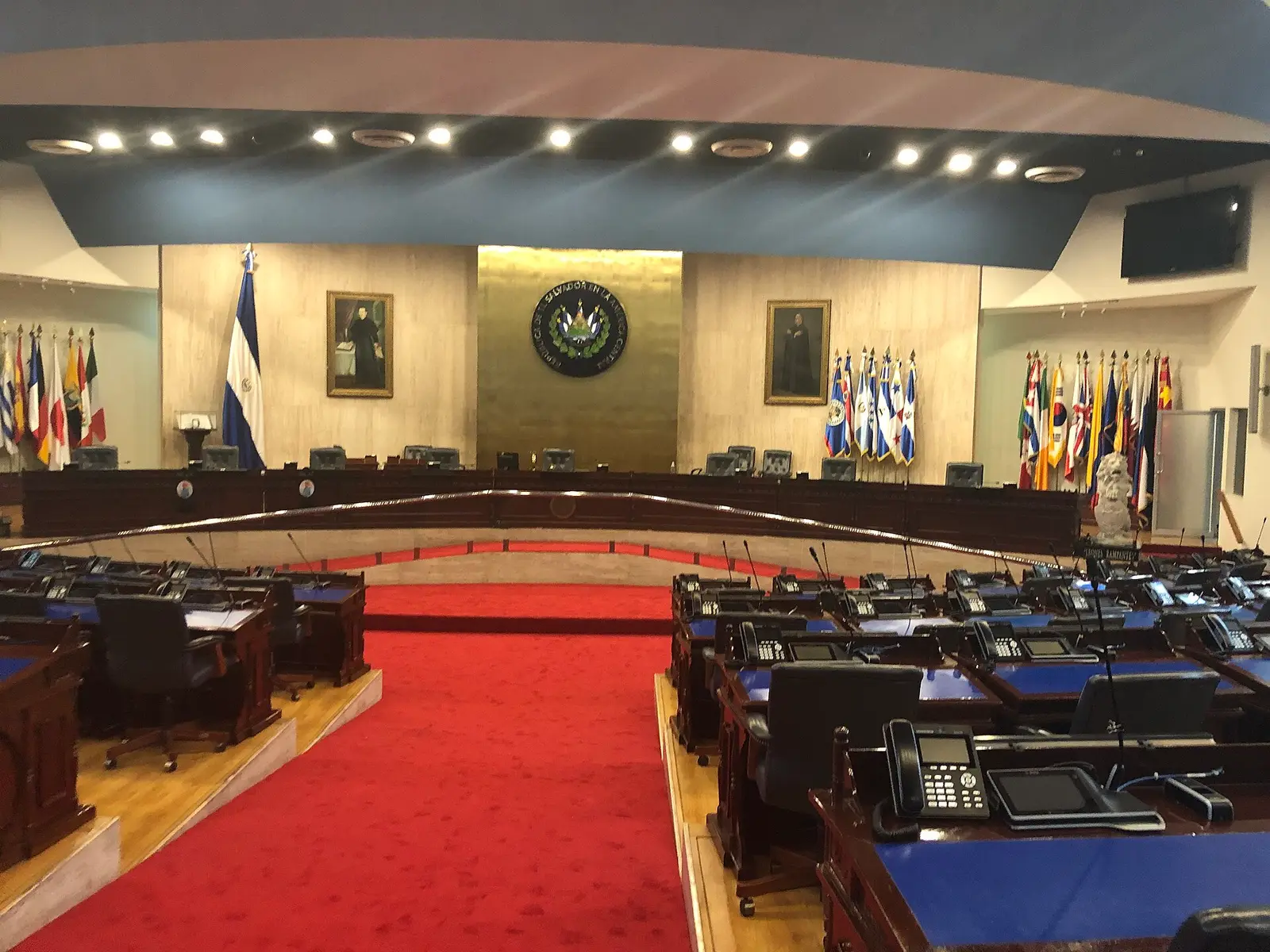
What CNAD supervises and how other authorities are involved
CNAD administers the procedures and registers for providers, issuers, offerings and certifiers. These entries relate to different functions. Before engaging a platform, a business should check the specific legal entity, permitted activities and registration status. A brand name or another group company’s entry does not establish the permission of the contracting entity.
The Central Reserve Bank, or BCR, and the Financial System Superintendency, or SSF, retain their statutory responsibilities. Article 11 of the Bitcoin Law, as worded by the 2025 amendment, tasks them with issuing the corresponding rules within their statutory remit. Article 19-A of LEAD also allows the BCR to authorize providers’ access to payment and securities settlement systems, subject to applicable conditions. CNAD registration alone does not grant that access.
The Financial Investigation Unit, or UIF, has a separate anti-money laundering role. CNAD’s procedure includes notifying it of newly registered providers. That notification does not replace the entity’s applicable customer identification and risk controls or automatically resolve its relationships with banks and payment providers.

What authorization a project needs to operate
The digital asset service provider registration procedure, or DASP procedure, distinguishes two stages. Pre-registration is assessed first, resulting in an objection or non-objection. If the application proceeds, the applicant must complete definitive registration. Initial non-objection explains how to continue; it is not the final certificate authorizing services.
The application must reflect the actual business, including governance, operational capability, security and customer support. Territorial scope also matters. CNAD includes providers domiciled in El Salvador and foreign providers actively promoting or marketing services to potential clients in the country. Operating through an overseas website does not by itself remove that connection.
Procedural deadlines need careful interpretation. Article 20 of the LEAD text reviewed and the registration webpage give different periods for remedying an incomplete application. This discrepancy prevents a firm authorization timetable from being stated here. Applicants should confirm the applicable requirement before filing; incorporation, supplementary documents and other permissions may affect planning.
The framework already has implementation examples. On 11 April 2023, Bitfinex Securities announced the first license under LEAD. That milestone concerns the named entity and its services. One group company’s permissions do not automatically cover other platforms or establish approval of every future issuance.
How an issuance is structured and what the token holder receives
For a public offering, CNAD distinguishes the issuer application from the issuance application. Its procedure requires a registered structurer, a Relevant Information Document, known as DIR in Spanish, and a report from an authorized certifier. Assessment should connect those documents with the promised rights and the decision obtained. Certification does not guarantee the issuer’s ability to meet its financial obligations.
A private offering follows a different route. The official guide requires direct placement with no more than 50 qualified investors, a registered structurer and the corresponding non-objection. Calling a transaction “private” is insufficient. Its recipients, solicitation methods and procedural conditions should be assessed before promotion begins.
Decree 781 of 2023 gave certain certifications of digital assets and smart contracts issued by duly authorized providers the status of enforceable instruments. Their effect remains subject to civil and commercial procedural rules. This does not mean every token automatically transfers real estate or replaces the formalities of the underlying right. In property financing, a token may represent a claim against the issuer without direct ownership of the building.
Stablecoins have specific regulations distinguishing issuance from admission to trading, with reserve and monitoring requirements. A platform offering an existing stablecoin does not necessarily become its issuer. As an implementation example, CNAD reported the registration of Moon Gold El Salvador and Moon Gold NA as issuers on 20 June 2024. This establishes a specific case, not the admissibility of every stabilisation mechanism.
Which obligations continue after registration
Supervised operations need controls that follow the services and their changes. CNAD maintains continuous monitoring channels for reports, material events and requests involving new assets, expanded activities or platform modifications. Teams should determine which changes require notification or a new procedure before treating them as ordinary software updates.
Contracts and systems should support the applicable information, custody and customer service duties. They should identify who can move assets, how instructions are recorded and how failures, complaints or loss of access are handled. Customer and beneficial owner identification, source-of-funds checks and risk assessment require an operational design consistent with the business model.
Tax needs separate assessment. Article 36 of LEAD provides benefits for covered participants and activities, subject to exclusions; it does not indiscriminately exempt every sale of goods or services paid for in digital assets. Torres Legal’s Chambers 2026 guide distinguishes bitcoin’s treatment, the LEAD regime and general income tax rules. Participants’ residence and obligations in other countries also need to be assessed.
What to define before starting a project
A useful first deliverable connects the product, rights and participants. It should explain the issuer’s commitments, how rights transfer, who holds keys, which providers participate and which investors will be targeted. That description supports the applications and helps verify that contractual documentation matches what the platform will execute.
Salvadoran permission is not a passport to market in every country. Where foreign investors are targeted, the destination market’s rules also need to be assessed. Planning should include banking access, payments, ongoing compliance and contingencies alongside initial registration. The framework provides routes for certain activities; feasibility depends on each function and market being legally covered.
To understand how this framework applies to your project, discuss your case with our team.
Key takeaways
- LEAD is the Digital Assets Issuance Law, not the name of an issuer license.
- Provider registration, offering approval and certifier registration are separate procedures.
- The amended Bitcoin Law retains the wording “legal tender” while establishing voluntary acceptance by private parties.
- The Article 36 tax exemption requires an assessment of the participant and activity; it does not indiscriminately cover every business paid in digital assets.
Blockchain development in El Salvador
Regulatory milestones
Bitcoin Law published
Decree 57 is published in Official Gazette 110, volume 431. Article 16 provided for commencement 90 days after publication; the acceptance regime was subsequently amended in 2025.
Publication of the Digital Assets Issuance Law
Legislative Decree 643 is published in Official Gazette 16, volume 438. Article 47 provides for commencement eight days after publication.
First DASP license under LEAD announced
Bitfinex Securities El Salvador announces the first license under the new framework. The milestone is attributed to the entity’s announcement and specific permission, without extending it to the rest of the group.
Amendment on certifications and settlement published
Decree 781 is published in Official Gazette 132, volume 440. It adds enforcement effects to certain certifications and provides for DASP access to payment and settlement systems with BCR authorization.
First stablecoin issuer registrations reported by CNAD
According to the official communication of 29 July, Moon Gold El Salvador and Moon Gold NA were registered on 20 June as issuers EME-0001 and EME-0002. The registration date is distinguished from the news publication date.
Publication of the Bitcoin Law amendment
Decree 199, approved on 29 January, is published in Official Gazette 21, volume 446. Publication and commencement are different dates.
Voluntary bitcoin acceptance takes effect
The 2025 amendment takes effect, changing acceptance by private parties and repealing Articles 4, 8 and 9 of the Bitcoin Law, including the specific provision on payment of tax contributions.
Frequently asked questions
No. Registration establishes a particular regulatory status. A bank must carry out its own assessment of the customer, beneficial owners, activities and source of funds. Account availability and services should not be treated as settled when registration is obtained.
Locate the offering in CNAD’s public register and check the issuer, name, documents and conditions of the decision. A company appearing only as a registered service provider does not establish approval of every offering it markets.
Pre-registration non-objection allows the application to proceed; it does not replace definitive DASP registration. The entity should verify receipt of the corresponding certificate and that it covers the intended services. This step must also be distinguished from non-objection for a private offering, which follows a different procedure.
No. LEAD benefits depend on the participant, activity and statutory conditions. Article 36 excludes certain exchanges for goods or services outside those listed in Article 19. A business should distinguish income from covered activities from other income and assess participants’ tax obligations in their countries of residence.
Salvadoran authorization does not grant a European passport. The token and activity must be classified under the destination market’s law, including how investors are solicited. A platform’s availability in Europe does not establish permission to market all its products there. Cross-border assessment should precede campaigns or onboarding clients in the targeted market.