


Regulatory overview
- Scope
- Bahrain
- Authorities
- Regulatory index
- Latest regulatory change
 Bahrain
Bahrain has a Central Bank-supervised cryptoasset services regime with activity-based licence categories. Financial token offerings and stablecoin issuance have their own requirements. The 2025 SIO framework requires backing, redemption rights and issuer controls. An intermediary licence does not automatically permit operating an exchange, issuing any token or soliciting customers in other countries.
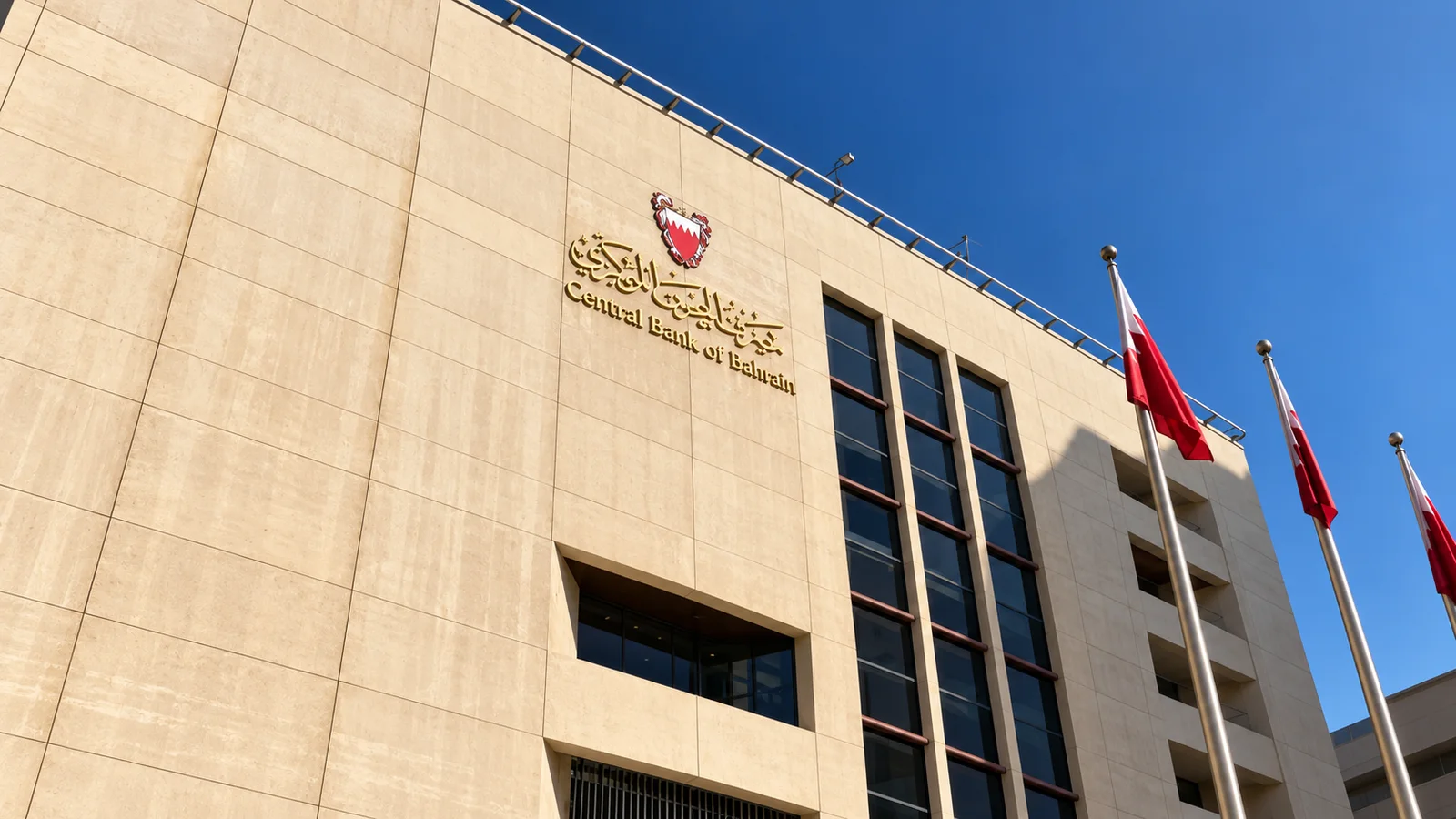
In Bahrain, issuing a token and providing services involving it are separate regulatory decisions. The Central Bank of Bahrain, or CBB, supervises a cryptoasset services regime and specific rules for token offerings and stablecoin issuance. A business needs to identify its function before selecting a licence category.
For a platform, this means separating dealing, custody and exchange operation. For an issuer, it means documenting holder rights and, where relevant, reserves and redemption. This guide explains how those permissions fit together and which responsibilities continue when third parties or overseas customers are involved.
How services, token offerings and stablecoins differ
The Crypto-Asset module, CRA, in Volume 6 of the Central Bank of Bahrain's rulebook regulates business services within or from Bahrain. It covers dealing, advice, management, custody and exchange operation. Assessment starts with the entity's function and the asset's rights, rather than its commercial label or underlying technology.
CRA-B.1.5 separates services from token offerings regulated by CRA-15. Stablecoin issuance also has the SIO module, introduced in July 2025. The draft published for consultation in October 2024 should not replace the adopted regime or be treated as evidence that regulation remains pending.
What the Central Bank of Bahrain authorises
The CBB grants financial authorisations and supervises compliance. Investment-promotion or business-support functions do not replace that responsibility. A CRA licence must identify permitted services; adding an activity not included requires prior written approval. Incorporation or technical infrastructure does not establish permission to receive customer assets.
Provider checks should cover the legal entity, category, activities and individual conditions. A group entity's authorisation does not automatically extend to every company or product. The SIO framework also covers solicitation targeting Bahrain's public and business from Bahrain for overseas customers; it does not provide a passport into destination markets.
Which category fits the business model
The CRA distinguishes four categories. Category 3 can encompass principal dealing and control of client assets but cannot operate an exchange. Category 4 includes exchange operation, custody and digital token advisory services; restrictions on trading against proprietary capital and approved exceptions require separate assessment. Reducing this structure to three equivalent tiers is inaccurate.
For stablecoin issuers, SIO-3.1 requires a locally incorporated joint-stock company, suitable substantial shareholders, capable management and control functions. Capital, reserves and operating expenses meet different obligations. Applications must substantiate governance, technology, custody and redemption, with personal approvals under the Fit and Proper module; an application or preliminary approval is not a full operating permission.
What right an investor receives in an offering
CRA-15.1 requires written approval for token offerings within CBB scope. Classification considers participation, debt, return and decision-making rights; a utility token may have security characteristics. The issuer must work with an authorised digital token advisor and document the offering, risks and enforceability of the represented rights.
Documentation includes a legal advisor's declaration concerning applicable laws and arrangements. Approval does not authenticate all financial and technical information or guarantee project viability. Contracts, underlying-asset formalities and the claim against the issuer determine what holders can enforce; delivery of a token alone does not establish direct property ownership.

How to organise reserves, custody and providers
SIO-1.2 permits single-currency stablecoins referencing the Bahraini dinar, US dollar or another currency previously accepted by the CBB. Backing must at least cover the outstanding par value. SIO-6.5 provides direct redemption at par, subject to customer verification and rules on legitimate requests, timing and settlement disruptions.
Stablecoin custody requires key controls, protection against loss and restrictions on using client assets. Outsourcing retains oversight duties and involves approvals or notifications depending on the function and provider. AML, continuity, reconciliation, audit and reserve management must inform operations; backing should not be described as a state guarantee.
What to prepare before applying in Bahrain
Prepare a list of services, assets and entities: who issues, who controls keys and who operates the market. For a stablecoin, add the reference currency, reserves, custody and redemption process. The application should show how these elements work together and which further approvals the CBB requires.
Check the current CRA and SIO modules before fixing capital or committing to dates. Direct access to several rulebook pages was restricted; indexed official provisions establish the framework, while individual permission conditions and subsequent amendments require product-specific verification. Also identify destination countries: a local licence does not settle overseas marketing.
To understand how this framework applies to your project, discuss your case with our team.
Key takeaways
- Category 3 does not permit exchange operation; that activity belongs to Category 4.
- The SIO framework adopted in 2025 differs from the 2024 consultation draft.
- Offering approval does not endorse the investment or guarantee the project.
- Reserves, redemption and custody require separate legal arrangements and controls.
Blockchain development in Bahrain
Regulatory milestones
Cryptoasset services framework
CBB publishes the initial CRA regime rules.
Frequently asked questions
No. CRA-1.1.14 excludes it and CRA-1.1.15 includes the activity in Category 4. The individual permission’s services and conditions must also be checked.
Not automatically. Issuance and offering require the SIO regime, including authorisation, backing, redemption and issuer-specific controls.
The SIO perimeter includes solicitation targeting Bahrain’s public, including online activity. An overseas domicile does not remove that connection. Before a campaign, examine the issuer, offered activity and licensing requirement; mere website accessibility and targeted marketing should not be treated as identical without examining the facts.
SIO outsourcing rules retain issuer responsibilities and distinguish prior approvals from notifications. The function, provider and location matter. Contracts should support oversight and failure management; moving execution to another business does not eliminate control obligations.
The SIO module requires prior written approval for services omitted from the application or additional services outside the defined scope. The issuer must describe resources and operations. Adding a technical feature to an application may change the regulated service and should be assessed before launch.





