


Regulatory overview
- Scope
- India
- Authorities
- Regulatory index
- Latest regulatory change
 India
IndiaIndia requires anti-money laundering registration and controls for digital asset providers, including foreign operators serving its market. Registration does not authorise every financial service. The Demat 2.0 pilot applies tokenization to corporate bonds within SEBI-supervised infrastructure, with defined rights and limits for the trial.
In India, a digital asset business must separate anti-money laundering registration from permissions involving securities, banking or payments. Registration with the financial intelligence unit does not approve every product. A business issuing a tokenized bond must also consider securities infrastructure and the conditions of SEBI’s supervised pilot.
This guide distinguishes digital asset services, financial instrument issuance and tokenization trials. That distinction helps establish who must register, which rights investors retain and which stages remain limited to testing. It also prevents a parliamentary bill being treated as enacted law or an application reference as granted permission.
How VDA services, securities and proposed laws differ
Indian regulation distinguishes virtual digital asset (VDA) services from financial instruments and payment systems. The Ministry of Finance confirms that VDA providers have been within the Prevention of Money Laundering Act 2002 since March 2023. AML supervision does not approve each asset, offering or business model.
The Asset Tokenisation Bill 2026, introduced on 13 March, is a parliamentary proposal. The consulted documents do not establish enactment. Its existence does not demonstrate an operative general tokenization regime; legislative proposals, sectoral rules and permissions limited to specific trials must be distinguished.
What FIU-IND, SEBI, RBI and IFSCA oversee
FIU-IND supervises anti-money laundering, counter-terrorist financing and counter-proliferation financing obligations. SEBI oversees securities markets and RBI banking and payments. ICLG's India chapter describes this sectoral allocation. Projects should separately identify issuance, custody, intermediation and settlement functions, alongside dealings with resident and non-resident customers.
IFSCA operates within international financial services centres. Its 2025 real-world asset tokenization consultation proposes a regulatory approach but is not itself a licence. Establishment in GIFT IFSC does not turn a trial or local permission into authorisation to distribute products indiscriminately throughout India's domestic market or abroad.

What registration and serving India’s market involve
FIU-IND's January 2026 guidelines distinguish the temporary reference generated through FINGate from formal registration following documentation, an in-person meeting and approval. They require responsible officers, beneficial ownership, counterparties and cybersecurity controls to be identified. Assessment includes demonstrating customer, transaction and transfer controls in operation, beyond submitting written policies.
Territorial scope depends on activity rather than registered location alone. The September 2026 enforcement announcement covers foreign providers and application or URL takedown notices for non-compliance. A foreign licence replaces neither Indian registration nor any additional permissions required for a financial product.
How the Demat 2.0 bond pilot works
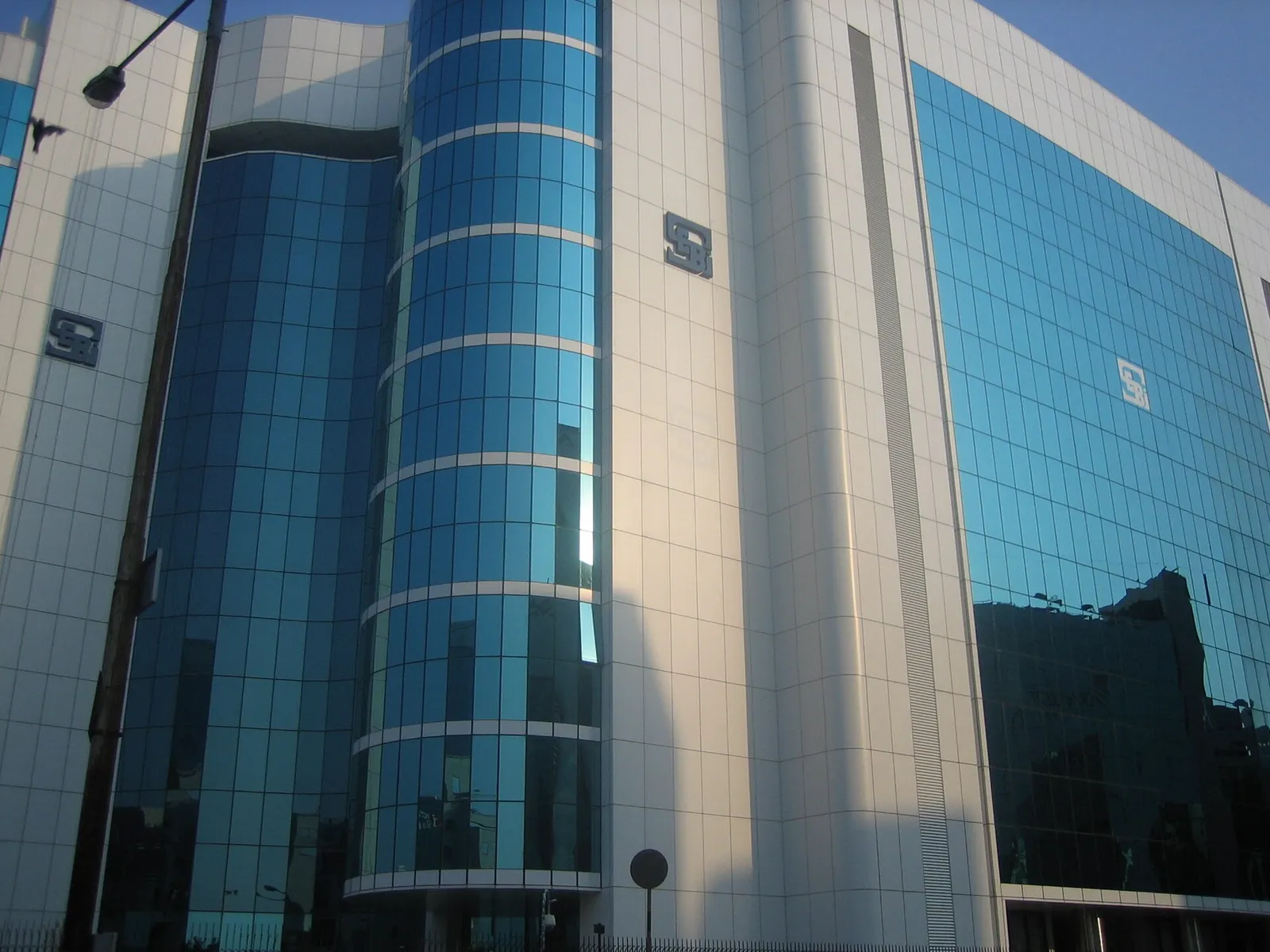
SEBI announced the Demat 2.0 pilot for tokenized corporate bonds on 10 September 2026. Issuance uses regulated infrastructure and settlement incorporates central bank digital money. This establishes a specific trial rather than general market access for trading platforms or universal permission to tokenize assets.
The official pilot FAQ states that bonds retain their ISIN, issuer obligations and investor rights. The depository maintains the authoritative ownership record and manages keys. Retail participation and secondary trading are planned for a later stage. Sandbox exceptions have a defined scope and duration, without automatically extending to other issues.
Which controls and tax obligations require assessment
Identification, recordkeeping, suspicious transaction reporting and internal oversight continue during operations, as described in ICLG's regulatory analysis. Platform assessment should also examine custody contracts, key control and recovery arrangements following disruption or insolvency. AML registration does not replace analysis of proprietary rights and contractual remedies.
Tax requires separate consideration by period and transaction. The tax administration distinguishes withholding before 1 April 2026 from treatment under the Income-tax Act 2025 from that date. Tax compliance does not authorise an offering or establish that a token transfers ownership of an underlying asset.
What to prepare before offering digital assets in India
Identify users, territory, functions and responsible officers, including those controlling assets and executing transfers. Prepare evidence of controls in operation as well as written policies. An overseas business serving India must assess local scope; its domicile or home licence does not replace that analysis.
For a bond, document the issuer, rights, depository and settlement, and confirm admission to the relevant pilot stage. Tax needs separate review by transaction and period. The 2026 tokenization proposal and planned trial expansion should not be built into a commercial timetable as though they were generally operative permissions.
To understand how this framework applies to your project, discuss your case with our team.
Key takeaways
- FIU-IND registration is mandatory within its scope, including for foreign providers.
- A temporary application reference is not granted registration.
- Demat 2.0 preserves the bond’s legal character and the depository’s role.
- A parliamentary or IFSCA proposal does not establish permission to issue or distribute tokens.
Blockchain development in India
Regulatory milestones
VDA services brought within PMLA
The notification brings provider activities within the AML framework.
Updated FIU-IND guidelines
Registration, controls and operational obligations are developed.
Demat 2.0 pilot announced
SEBI announces the tokenized corporate bond trial.
Frequently asked questions
No. It is an AML requirement for covered activities. It does not replace permissions for securities, banking, payments or other regulated services.
SEBI states that it retains its securities status, ISIN, issuer obligations and investor rights. The depository retains its statutory recordkeeping role. This is a pilot with defined stages and conditions.
The Demat 2.0 FAQs state that depositories hold and manage private keys for investors. Holdings remain accessible through their interfaces. This architecture is specific to the pilot and differs from self-custody wallets or other commercially offered services.
The pilot FAQs state that the issuer does not need that account, but needs a central-bank digital currency wallet linked to its designated bank account to receive proceeds and make payments where relevant. Operational arrangements must be checked with the trial participants.
SEBI’s FAQs retain the bond’s rating framework: technology alone does not change the issuer’s obligation. Credit risk should be distinguished from infrastructure technology risk. The pilot also retains applicable disclosure, eligibility and protection requirements.





