


Regulatory overview
- Scope
- Australia
- Authorities
- Regulatory index
- Latest regulatory change
 Australia
Australia applies financial product rules to digital assets according to the rights and services offered. AUSTRAC registration addresses AML duties and does not replace an AFS licence. Digital asset platform and tokenized custody reforms were enacted in 2026, but commence in April 2027 with specific transitional arrangements.
In Australia, a business launching a token needs to examine what it promises holders and which services its platform provides. Existing financial rules may already cover digitally represented bonds, investment products and payment facilities. The reform enacted in 2026 adds a platform regime with deferred commencement; waiting for that date does not suspend current obligations.
The analysis has two layers: financial-services licensing and anti-money laundering duties. This guide connects them to issuance, custody and distribution, explaining how to distinguish an already regulated product from activity entering the new perimeter. That distinction determines what may operate now and what needs preparation for the transition.
How assets are classified and what the reform changes
ASIC's INFO 225 applies the Corporations Act 2001 to digital products and services according to substance. A token may constitute a security, derivative, managed investment interest or payment facility. Asset classification and activity classification are separate: issuance, custody, advice and market operation do not necessarily require the same permission.
The Digital Assets Framework Act 2026 brings digital asset platforms (DAPs) and tokenized custody platforms (TCPs) into the financial services framework from April 2027. Sections 1730 to 1732 provide a six-month transition and treatment of pending applications. Deferred commencement must be distinguished from obligations already applicable under general financial legislation.
What ASIC and AUSTRAC check separately
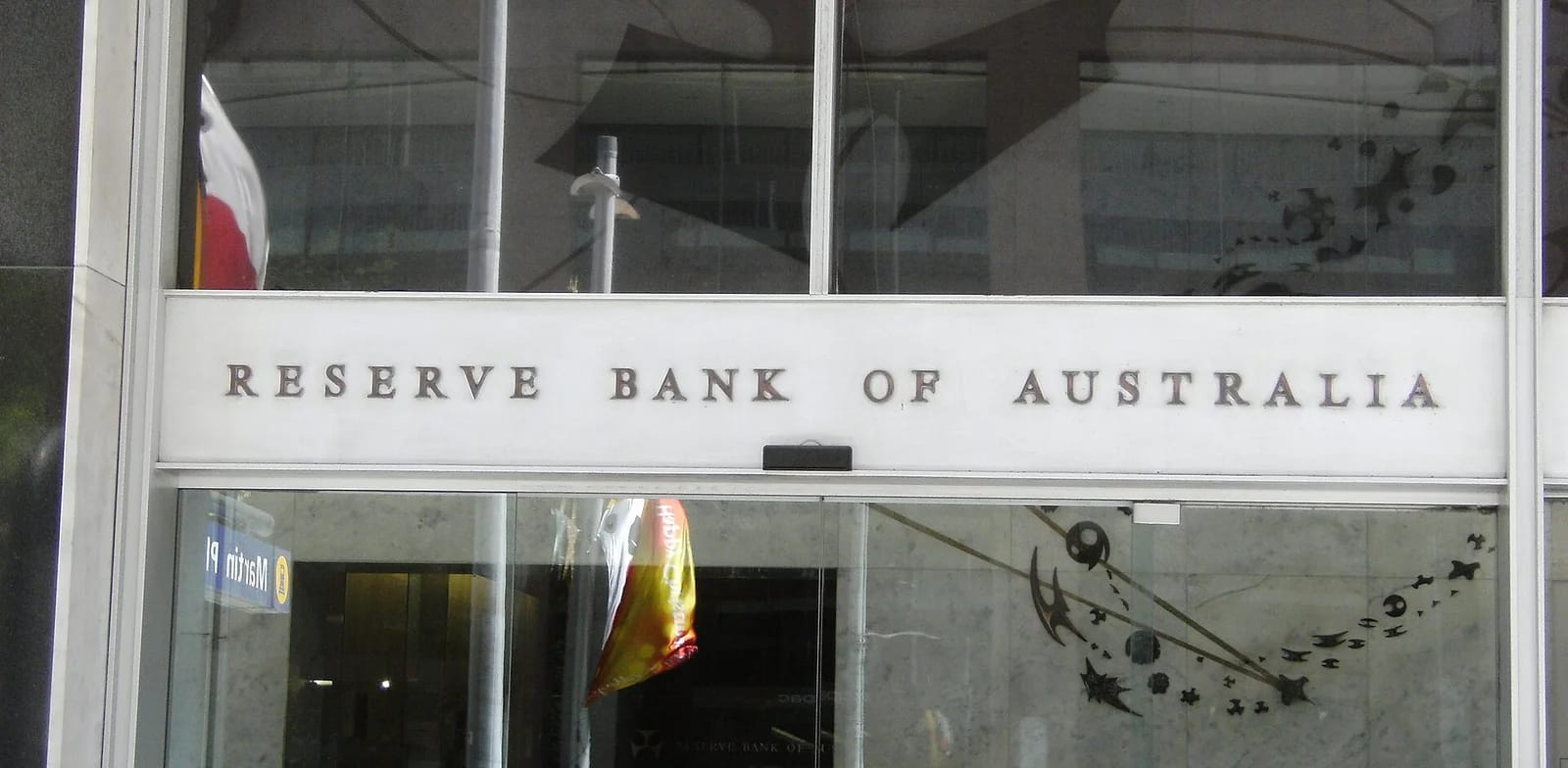
ASIC regulates companies, markets and financial services; AUSTRAC administers anti-money laundering and counter-terrorist financing obligations. AUSTRAC's public VASP register allows provider registration to be checked. Registration does not establish an AFS licence, approval of a product or permission for every commercial activity undertaken by the operator.
ASIC's roadmap envisages asset-holding, transaction, settlement and financial standards for DAPs and TCPs. Their development does not remove other market or payment permissions. Requirements should be mapped by entity and function rather than treating the reform as a single licence automatically covering all offered assets and services.
Which permissions a business needs to operate now
AUSTRAC requires enrolment and registration before registrable services begin, subject to defined transitional arrangements for new categories. Existing registered digital currency exchanges became VASPs under the 2026 transition. July deadlines for updating information or lodging specified applications do not provide open permission for new applicants in October.
ASIC's June 2026 no-action letter set 30 September as the deadline for steps required by the chosen route. Certain timely applications remain covered until a decision, subject to additional conditions including operations having commenced by the end of 2025. Lending or earn products and specified payments and derivatives are excluded. The letter is neither statutory relief nor general permission to operate unlicensed.
What remains a security when represented by tokens
INFO 225's tokenized bond example treats repayment and interest commitments as relevant to classification as a debenture and security. Offering and related service requirements remain applicable. Documentation should identify the issuer, enforceable right, authoritative record and transfer conditions; an on-chain entry alone does not establish direct title to every underlying asset.
The 17 June 2026 judgment in ASIC v Web3 Ventures held that Earner was a financial product. ASIC's official explanation identifies financial investment and derivative characterisation. The ruling reverses the 2025 appeal outcome but concerns that contractual arrangement; it does not indiscriminately classify every cryptocurrency or digital service.
How to organise controls across different timetables
The AML transitional rules distinguish updated duties from March 2026 and new virtual asset service categories from July. Transfer information, ongoing diligence and particular reports have different timetables. For example, deferring specified reporting until 2029 does not suspend suspicious matter reporting or all controls concerning wallets.
Custody requires examination of asset separation, key control, reconciliation and contractual responsibility. Future DAP/TCP standards described in the roadmap should not be presented wholesale as current requirements. Rules for existing financial products must also be distinguished from those envisaged for assets entering the perimeter through the reform.
What to prepare for operation and Australia’s transition
Prepare product contracts, customer rights and a map of the services supplied. Identify whether the business receives money, controls keys, makes investment decisions or facilitates payments. Those facts allow Australian Financial Services, or AFS, licensing to be analysed separately from AUSTRAC registration and any relevant market permissions.
Add a timetable separating current duties, conditions of any no-action letter and DAP/TCP preparation. Do not use an old application as proof of current coverage: document its date, scope and conditions. The Act’s commencement table specifies 8 April 2027. The timetable should distinguish that date from the transitional period and the conditions for pending applications.
To understand how this framework applies to your project, discuss your case with our team.
Key takeaways
- Classification depends on contracts and functions rather than the token’s name.
- AUSTRAC registration and an AFS licence address different obligations.
- The September 2026 no-action deadline is subject to conditions and exclusions.
- The 2027 reform does not suspend existing financial services obligations.
Blockchain development in Australia
Regulatory milestones
Royal Assent for DAP/TCP reform
The Act provides deferred commencement and transitional arrangements.
High Court judgment on Earner
The product is held to be financial according to its contractual characteristics.
Duties for new VASP categories
Deferral of specified AML duties for new virtual asset services ends.
Frequently asked questions
No. AUSTRAC addresses AML/CTF obligations. AFS licensing and market permissions depend on the financial products and services offered.
It commences in April 2027 with its own transition. Existing financial rules remain applicable meanwhile; no-action letters have specific conditions and exclusions.
The Earner judgment shows that the contract and use of money matter more than the label. The High Court examined customer promises and held that product to be financial. Another model requires examination of its own terms; the outcome does not universally classify all lending arrangements or tokens.
INFO 225 examines the rights embodied in a bond, including repayment and interest. Changing its recording technology does not itself remove its classification or offering and intermediary obligations. The project must also identify the issuer and the parties providing services to investors.
AUSTRAC’s transitional rules use obligation-specific timetables. Deferral of particular reports does not suspend suspicious matter reporting or make the entire prevention programme optional. Build an obligation matrix by service and date while retaining controls that already apply.





